In March 2026, Kensington Palace will open a landmark exhibition, centring on the life of Queen Victoria’s Punjabi goddaughter and a suffragette icon, Princess Sophia Duleep Singh.
‘The Last Princesses of Punjab: the story of Sophia Duleep Singh and the women who shaped her’ will mark the 150th birthday of the lesser-known Princess, and explores the lives of six royal women, spanning three generations and two continents.
Through their stories, the exhibition reveals how they leveraged influence, heritage, and sheer defiance to challenge an Empire that sought to define (and confine) them, making them inspiring role models for today.
A complex heritage
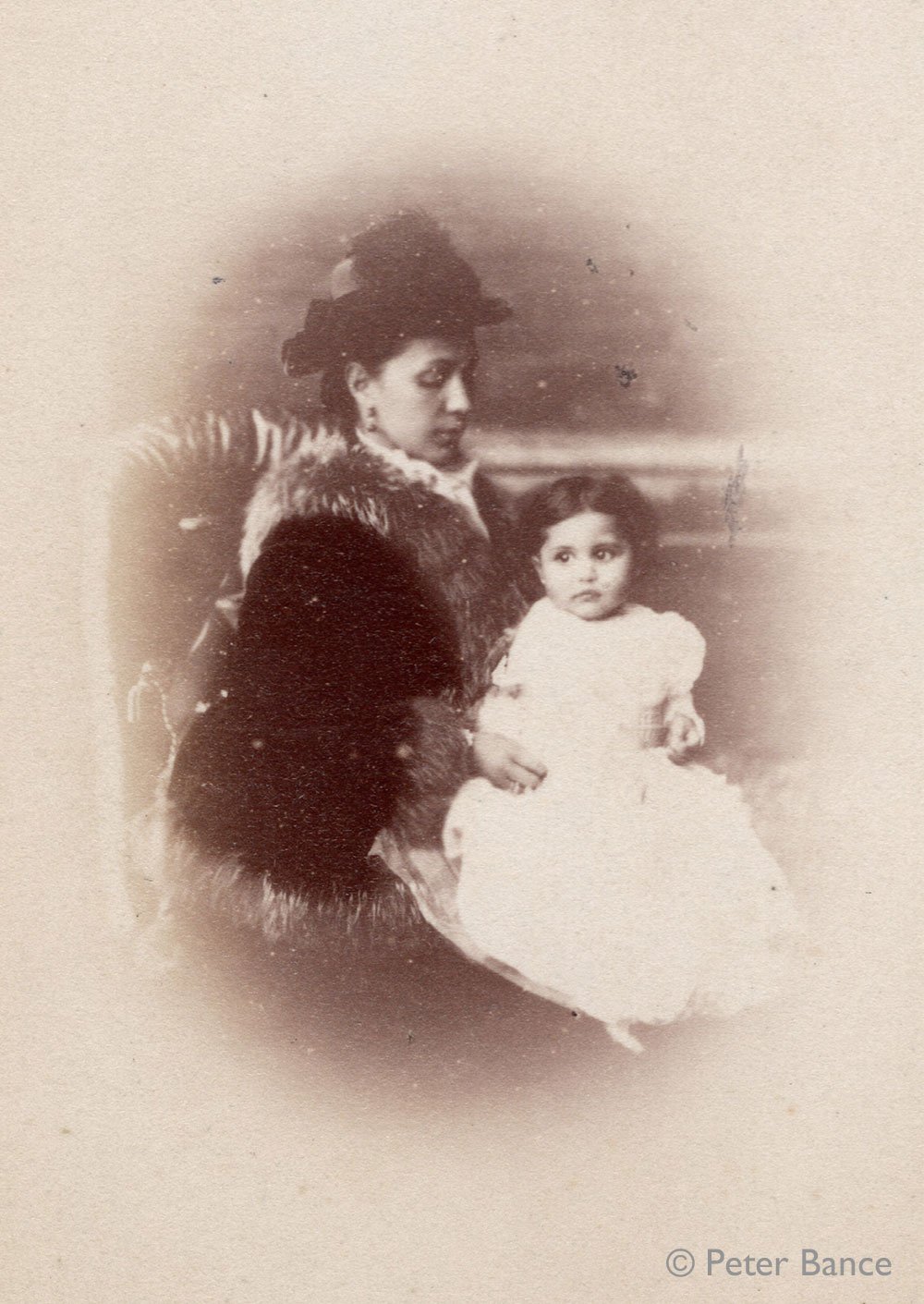
Sophia’s story is featured alongside her sisters, Catherine and Bamba, her mother Bamba Muller, grandmother, Jind Kaur, and even her godmother, Queen Victoria.
(© Peter Bance)
She was born in 1876 in London, the third daughter of Maharaja Duleep Singh. He was the last ruler (or great King) of the Sikh Empire.
Exiled to Britain after the East India Company forcibly annexed the Punjab in 1849, the Maharaja was famously forced to surrender the Koh-i-Noor diamond along with his throne, aged 11. Despite this painful history, he found favour with Queen Victoria, who became Sophia’s godmother and Prince Albert created the family’s coat of arms.
Adding even further complexity to this tale, the family’s upkeep was provided for by the East India Company…
Supporting women’s suffrage
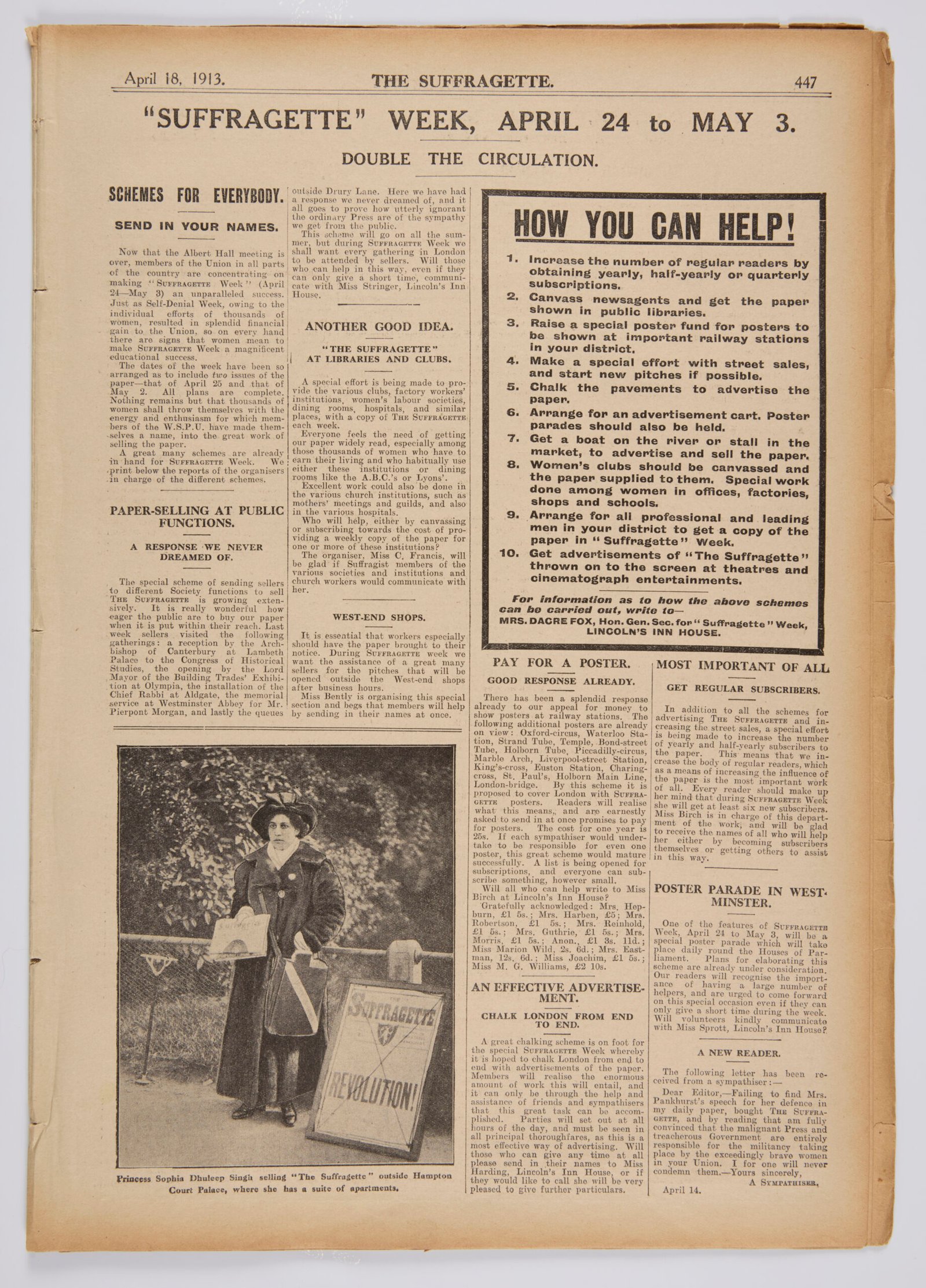
Princess Sophia is best known for her activism as a suffragette, leveraging her position to further the cause.
Highlights of the exhibition include an original 1913 copy of The Suffragette newspaper, featuring a scandalous image of Sophia selling copies of the newspaper on the gate of Hampton Court Palace, the grace and favour residence gifted by her godmother, Queen Victoria.
Historic note: Women were finally granted universal suffrage in the UK in 1928, for all women over the age of 21 (the same status as men).
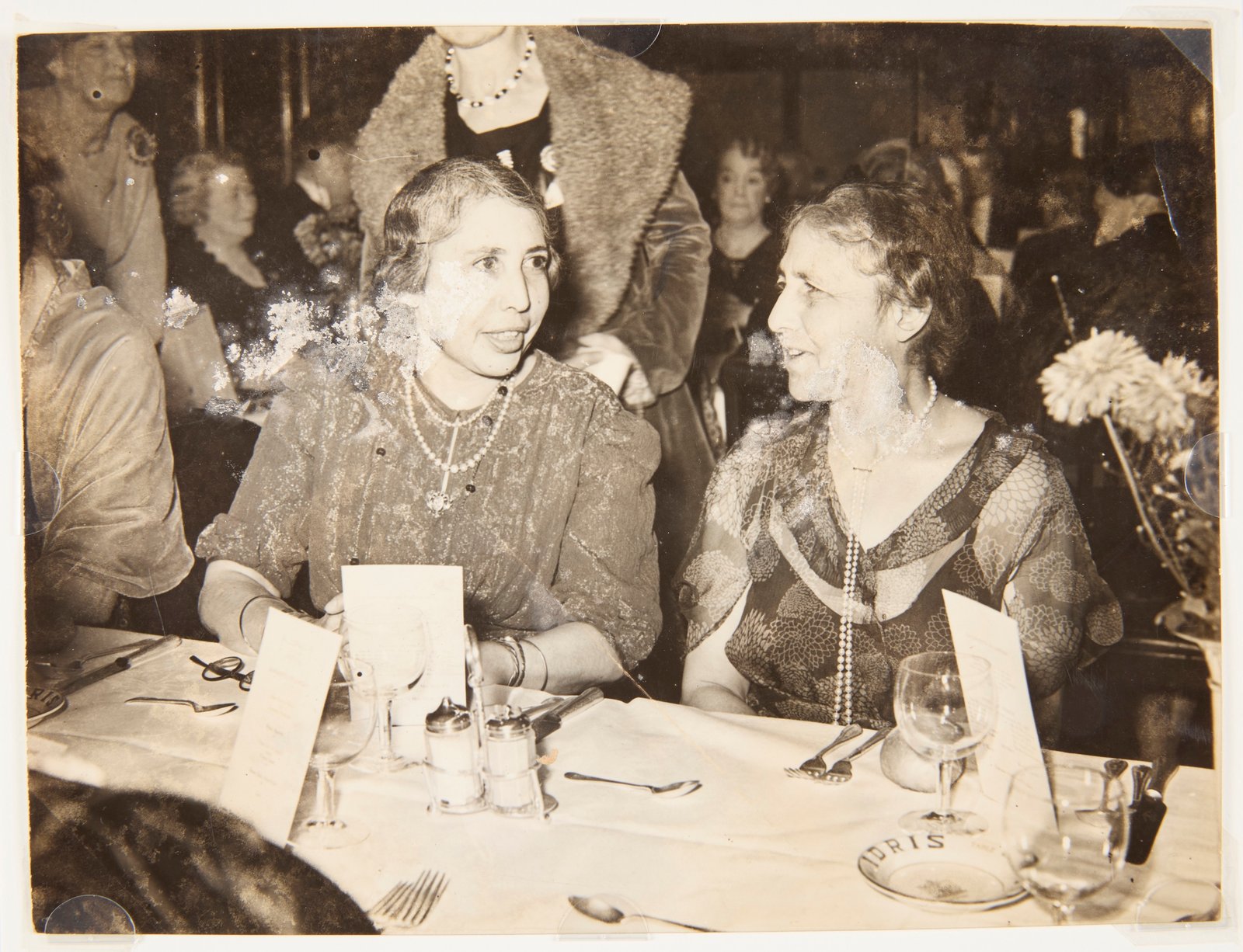
Visitors will also be able to see Sophia’s spoiled 1911 census record, defiantly scrawled with ‘No Vote, No Census’, as well as a photograph of her and her sister, Catherine, attending a Suffrage dinner in Manchester in 1930.
The dinner took place on the eve of the 25th anniversary of the first time Christabel Pankhurst and Annie Kenney were arrested in Manchester, having disrupted a Liberal party meeting.
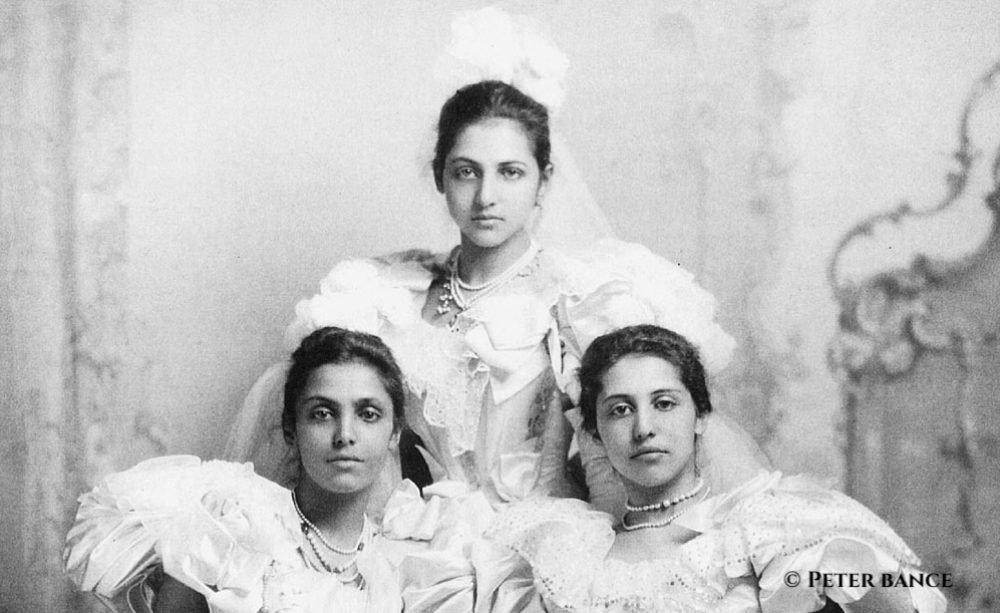
The sisters grew up in the UK, with a connection to the royal household – but they operated between circles, being part of the aristocracy and yet shunned as outsiders given their Indian heritage.
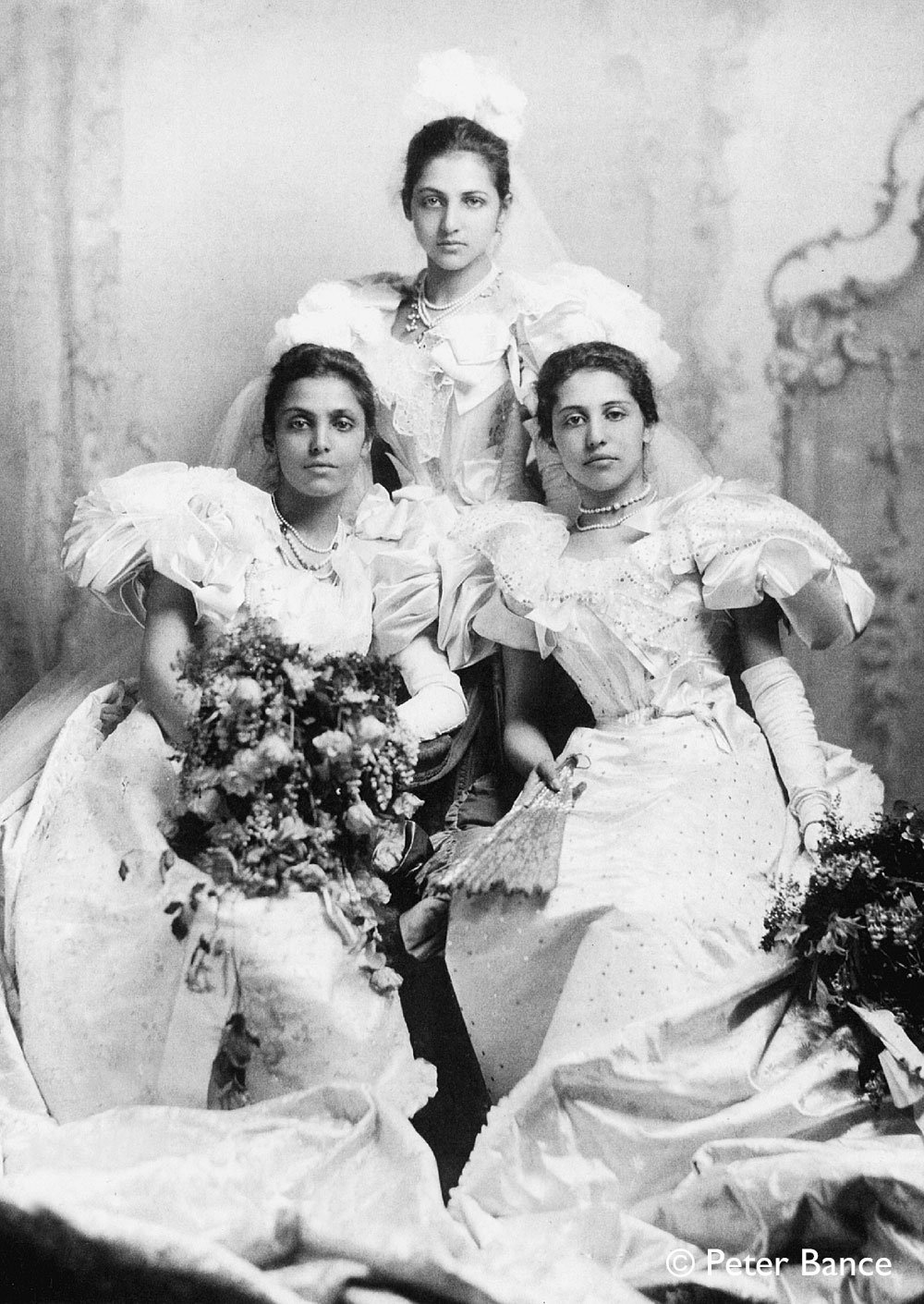
While the debutante portrait of the three sisters in 1895 displays them in their finery, it belies the difficulties they faced, and does not foretell their lives of activism and resistance.
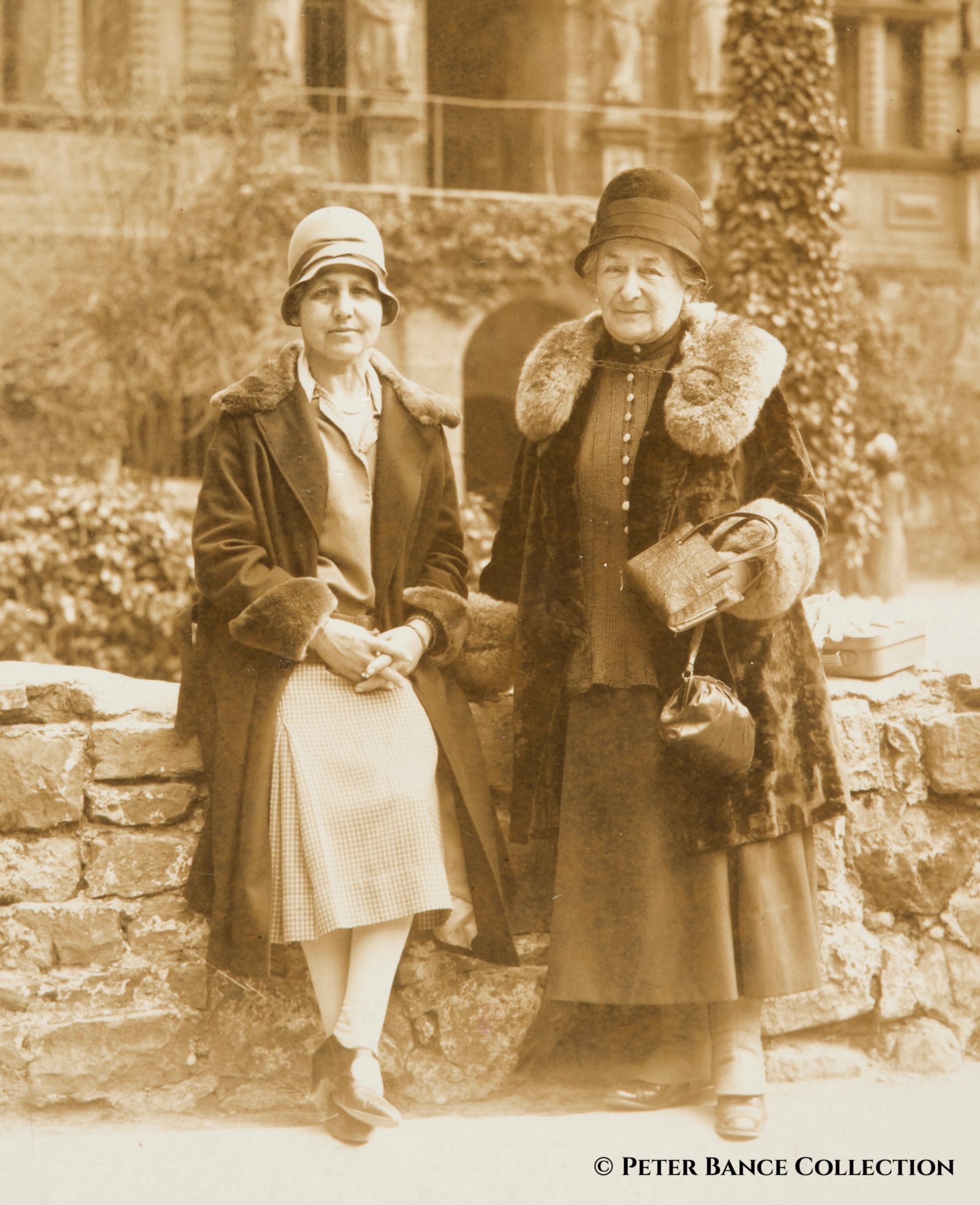
Princess Catherine is another powerful figure, celebrated for her heroism during the Second World War: she acted as a ‘guarantor’ to Jewish refugees escaping Germany.
In addition to this, she had a romantic relationship with her former chaperone, Lina Schaeffer, which is evidenced in loving letters between the couple, making her an LGBTQ+ icon.
After Lina’s death, Catherine helped numerous Jews to seek sanctuary in Britain, offering accommodation and employment at her home in Buckinghamshire.
Meanwhile, Princess Bamba – who considered herself heir to her grandfather’s empire – returned to Lahore in the 1940s to lay claim to the vast lands lost to the British, which is exemplified by a letter of 1948, staking her claim to her inheritance.
Jewels of the Empire
The family’s emotional journey is mapped out in physical heirlooms. Visitors will see Bamba’s sarees (worn both in India and in Britain) alongside the jewellery of their grandmother, Jind Kaur.
A highlight is Jind’s emerald and seed pearl necklace – confiscated from the regent by the East India Company in 1848 and later negotiated back by her son – and an enamelled gold bangle. A piece traditionally gifted from mother to daughter, it was given to Duleep Singh’s wife in his mother’s absence, making it a poignant symbol of the family’s forced separation.
Finally, the exhibition will spotlight the voice of British South Asian women today, who have created responses to themes that occur in The Last Princesses of the Punjab, exploring the continued legacy of the British Empire.
Polly Putnam, Curator of The Last Princesses of Punjab, said it is ‘a privilege to tell this story in a space that has long represented the lives of royal women’.
Mishka Sinha, Exhibition Historian, commented: ‘Visitors will have the chance to explore the stories of royal women from one family who lived in very different worlds from one generation to the next. The exhibition is an opportunity to centre powerful women in this chapter of our shared history, and we hope that visitors will be surprised, moved, and inspired by what they find.’
The Last Princesses of Punjab opens on 26 March 2026 and can be accessed with standard palace admission. Buy tickets here.