Continuing her work in championing the Women, Peace, and Security agenda
, The Duchess of Edinburgh has shared an opinion piece in The Telegraph, reflecting on her visit to the Sudanese border in October 2024 and highlighting the Sudan war surpassing 1,000 days of fighting, which according to Sophie ‘has become the world’s most severe humanitarian crisis’.
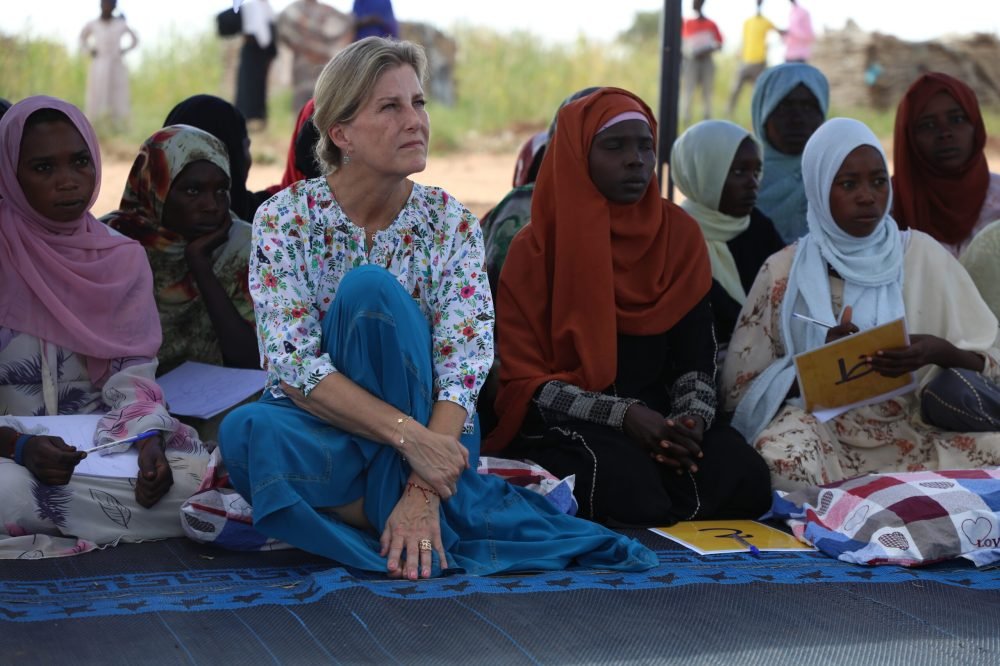
During her visit over a year ago, Sophie saw the devastating effects of the severe humanitarian crisis which is taking place there.
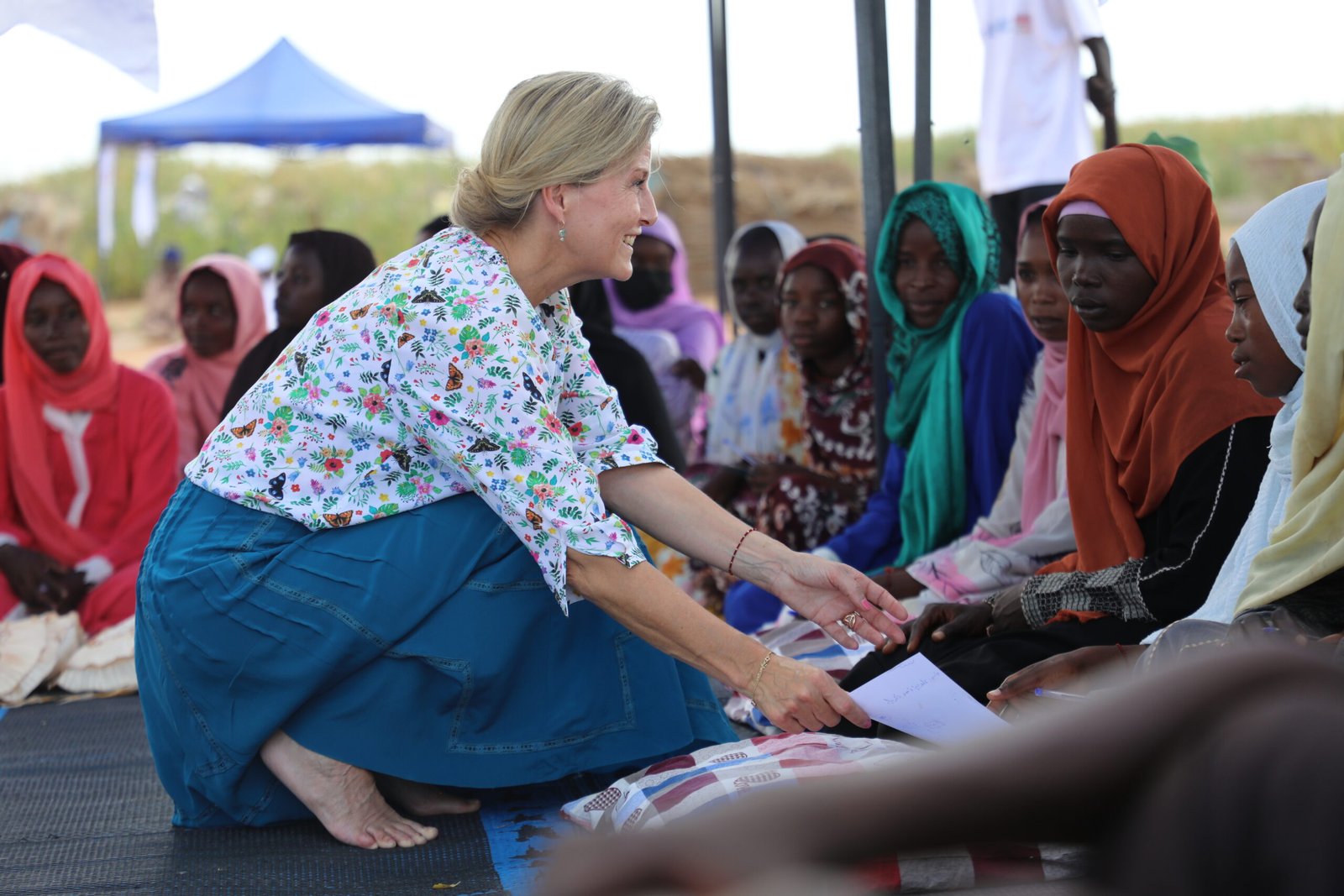
Opening her piece, Sophie reflected on her visit where she saw ‘a countless stream of people making their way on foot or by donkey-drawn carts into neighbouring Chad’ and ‘shuddered to imagine what these exhausted, traumatised people had experienced and seen, having fled their towns and the brutality of raging militias’ as she watched families and solo travellers flee.
Sudan has currently seen over 1,000 days of conflict – nearly three years – with people fleeing on foot or by donkey cart to neighbouring Chad to escape, and especially the border town of Adre.
The population of the town has ballooned from 40,000 to 200,000 as people flee the violence. In Adre, they are welcomed, and supported by both local organisations which offer food, water, and shelter.
On her visit to the transit camp in the town, the Duchess detailed how she ‘heard stories of profound loss and resilience’, including ‘young children whose entire families had been killed in the most indescribable ways, mothers who had witnessed the murder of their husbands and sons, and women who had suffered sexual exploitation in exchange for food and water’.

Despite what these people have faced, the Duchess wrote that ‘what stayed with me was the extraordinary strength I witnessed’ noting how their eyes told stories of ‘horrors no one should ever see; bodies piled up like a wall, families drowned at gunpoint, children carved in two, women raped and beaten. Those who can escape, live in fear of being killed later’.
The King’s sister-in-law made the visit with Plan International UK, visiting one of their mobile protection units while there. The trip was the first time that Sophie worked with Plan International UK, of which she is Royal Patron, continuing the charity’s relationship with the Royals having previously had the late Prince Philip as its Patron.
In March of last year, she visited Brussels for a roundtable discussion with global child’s rights NGOS and survivors, and then attended the UN’s 69th commision on the Status of Women in New York.
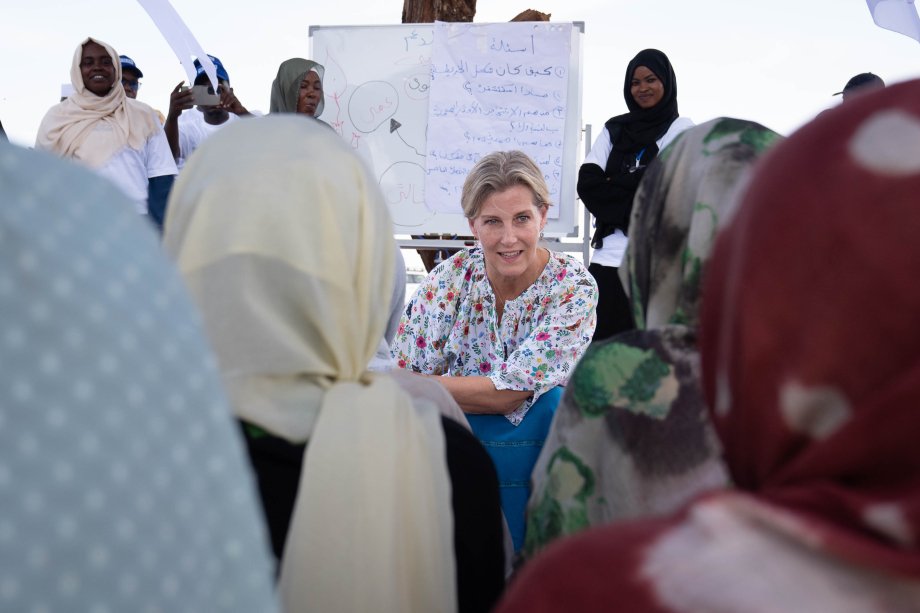
Plan International UK is a global children’s charity striving for an equal world. One where every child can reach their full potential and every girl can choose her own future. They work across more than 80 countries to build a future where every child is safe and receives an education. A world where all girls are free from violence, in control of their own body, know their rights and have their voices heard. And if disaster strikes, they work to protect children, keep them learning and help their communities recover.
The Duchess continued: ‘As a champion for the Women, Peace, and Security agenda at home and abroad, I have witnessed the dedication and compassion of the international community”. But she urged that the conflict in Sudan desperately needs to be ended, and help given to reach its conclusion, so that lives can be saved and families can return and rebuild their futures.’
‘We cannot change the past 1,000 days, but this sobering milestone reminds us of the opportunity for organisations working tirelessly on the ground to shape what happens next. By standing alongside these remarkable individuals, including female peace-builders and women-led organisations, we can help ensure that the voices and needs of those affected by the conflict are heard and valued. Their courage is a powerful reminder that even in the most difficult circumstances, hope can endure.’
Concluding her piece, Sophie stressed how ‘the People of Sudan deserve our compassion, our attention, and our solidarity. Above all, they deserve to know the world has not forgotten them and that the pursuit of Peace remains possible.’