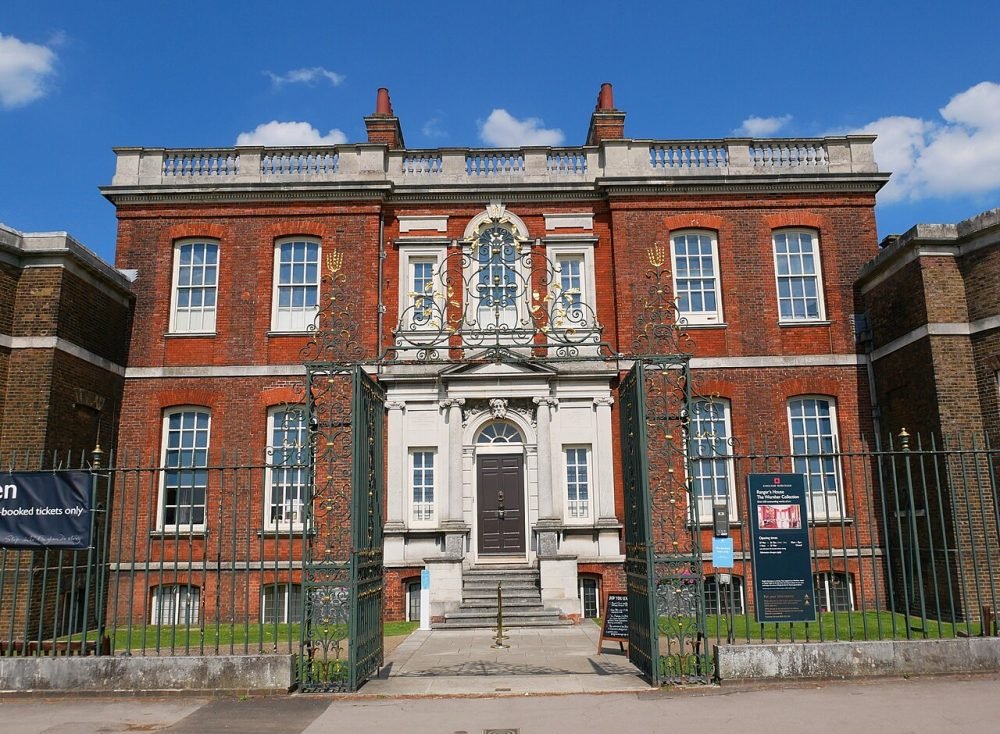
Adjacent to the stunning Greenwich Park sits the 18th-century Ranger’s House. Today, the Georgian villa houses the Wernher collection and welcomes visitors each week to explore its rose garden and galleries, but it has a fascinating history to tell.
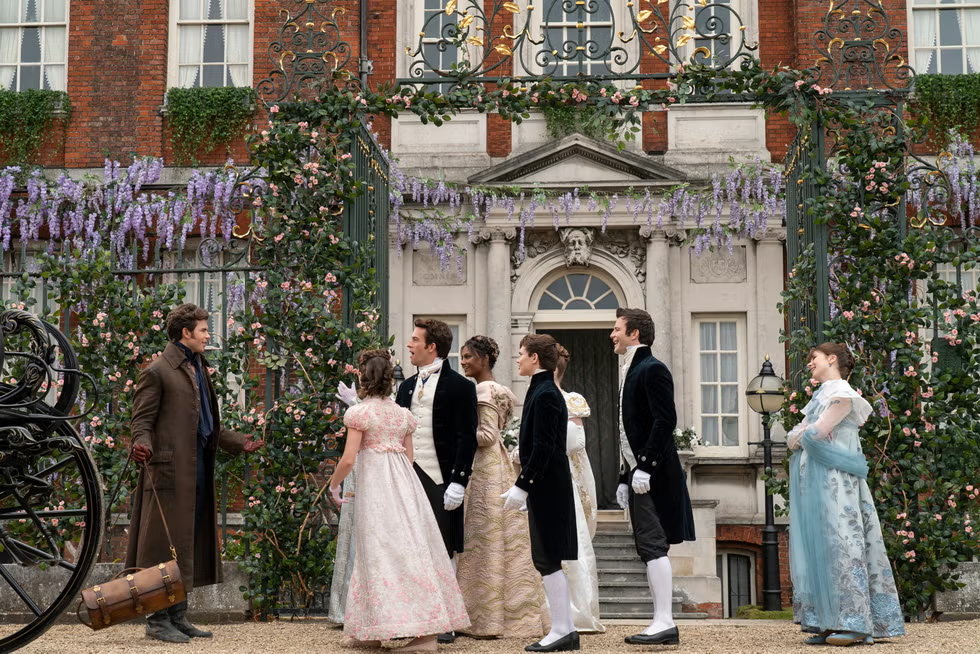
Fans of the Netflix hit show Bridgerton may recognise the red-brick villa as the home of the prestigious Bridgerton family. Its exterior featured in many scenes, with the wisteria and ivy being added – both digitally and in prop form – for an overgrown effect.
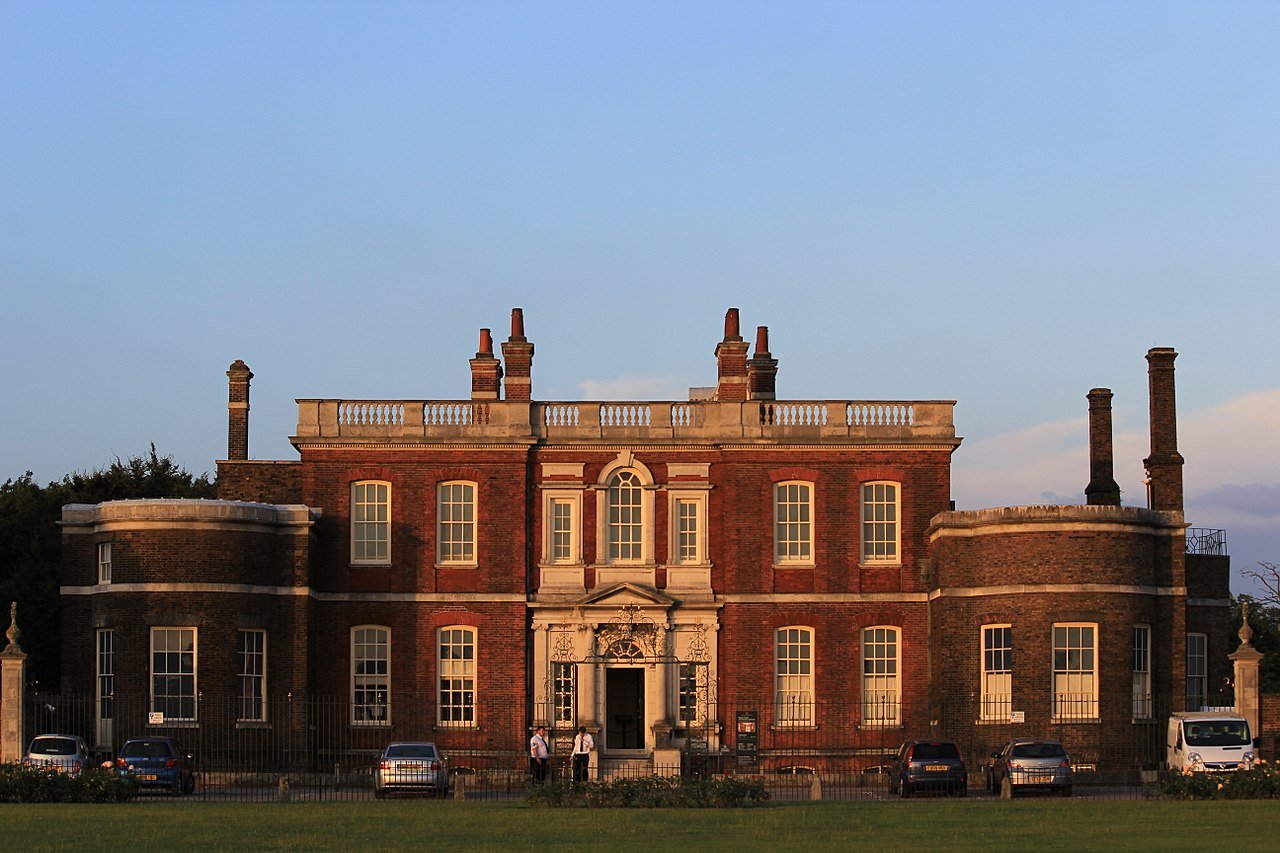
In the show, it sits between two other buildings on a buzzing London street during the season. In reality, Ranger’s house enjoys its solitude in Blackheath.
Architectural style
Ranger’s House was built in 1723 for Vice Admiral Francis Hosier, after he demolished the original house on the site. Its proximity to the River Thames made it the perfect spot for a naval officer to reside.
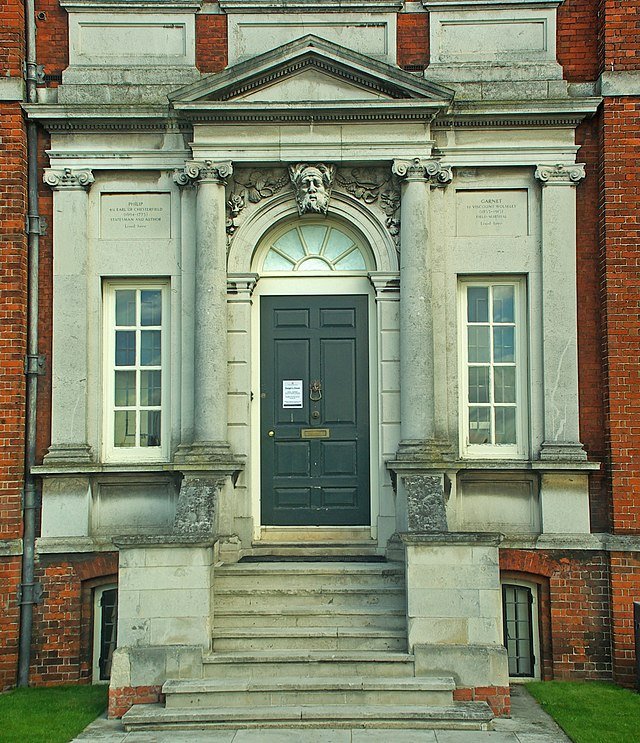
It is thought that architect John James – known for his rebuilding of St. Mary’s Church, Twickenham – designed the red-brick home for Hosier. Honouring the Vice Admiral’s ties to the sea, James included sea god Neptune above the front door.
The design of the house was typical of the time, a symmetrical rectangular block of a house, without the two wings noticeable today, as they were added at a later date by art collector Richard Hulse in 1783.
Royal residents throughout the years
It was in the 19th century that the house became affiliated with Royalty. In 1807, Augusta, Dowager Duchess of Brunswick and sister to George III, took up residence at the property, which was known as Brunswick House.
She made the move to be closer to her daughter, Caroline, Princess of Wales (wife of the future George IV), who lived in Montagu House after separating from her husband in 1796.
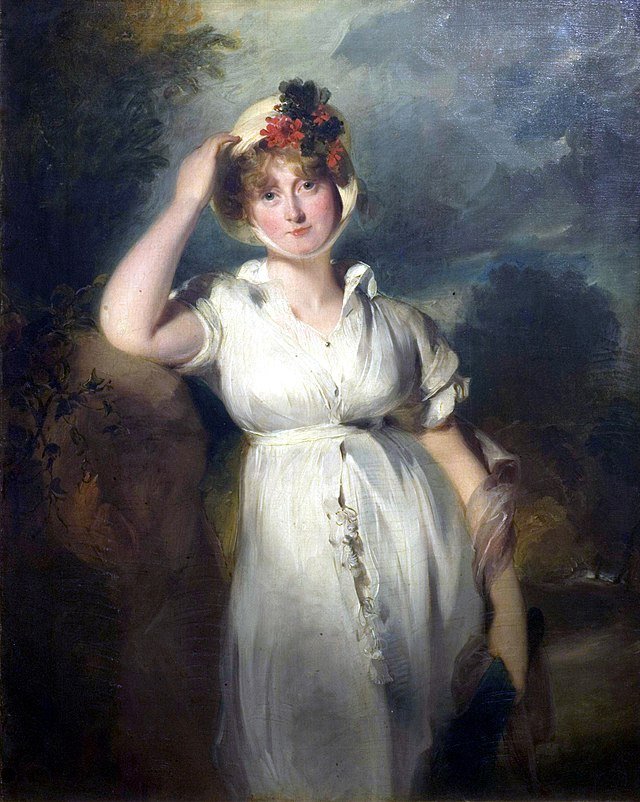
The mother and daughter were connected via their gardens, which shared 15 acres between both houses.
Both Augusta and Caroline led a social life in Blackheath, with Augusta hosting refined dinner parties and Caroline hosting parties with plenty of entertainment.
The Princess of Wales was appointed to the honorary position of Ranger of Greenwich Park in 1806.
At the same time, unfounded rumours of Caroline’s ‘improper’ behaviour and an illegitimate child began to spread, and she found herself under investigation for infidelity, led by a secret commission appointed by George III.
Although the commission failed to find evidence against the claims, Caroline’s reputation was significantly damaged when news of it leaked to the press and caused quite the societal scandal.
With her public standing in shambles, and her estranged husband becoming Prince Regent in 1811 as George III suffered a prolonged period of ill mental health, Caroline moved to central London, leading a life of social isolation before agreeing to leave England in exile, receiving a yearly allowance of £35,000.
Her mother, the Duchess, died a year prior due to asthmatic complications, never quite over the trouble of their time at Blackheath.
Two years later, her niece, Princess Sophia Matilda, would take up residence at Ranger’s House, officially turning a new page for the mansion.
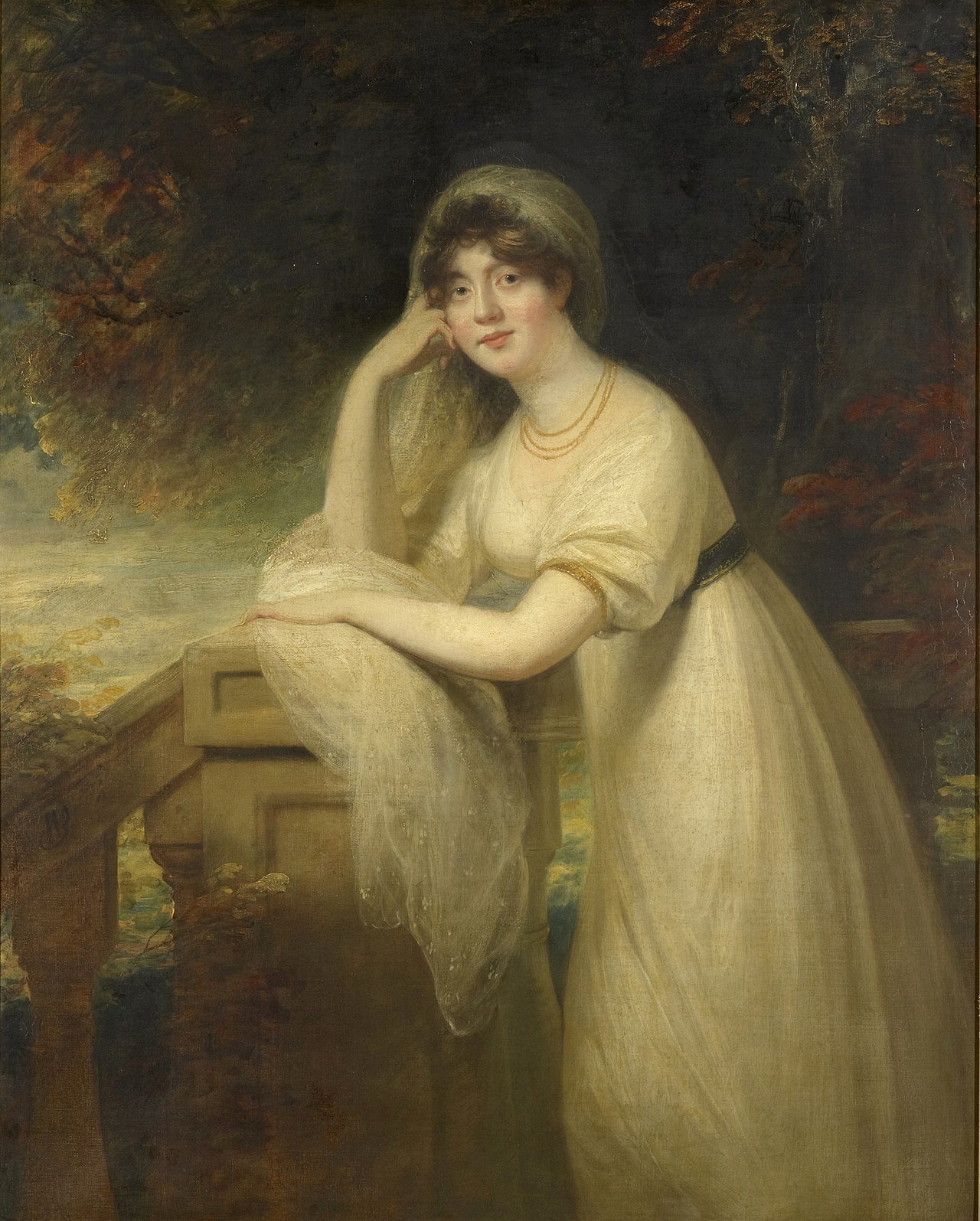
Before Sophia’s arrival, repairs were made to the house, including a covered walkway, new woodwork, stonework, and a fresh coat of paint. Further changes were made fit for a Royal, with the gallery to the south, originally added by Lord Chesterfield, made into three separate reception rooms.
The Princess occupied the residence with her lady-in-waiting, Lady Alicia Gordon, and quickly became a popular member of Blackheath society.
She would become the first official Ranger of Greenwich Park and the longest resident of Ranger’s House.
Although little is known about her life at Ranger’s House – except that she had a staff of 17 servants – her death gives more clues into her status amongst the community: the Princess died on 29th November 1844 at the age of 71.
Loved by the locals, crowds joined to pay their respects as her body lay in state at Ranger’s House. She was well liked, with an elaborate procession taking off from Ranger’s House until her final resting place at St George’s Chapel in Windsor.
The next residents of Ranger’s House were the son and daughter-in-law of Prime Minister George Hamilton-Gordon, 4th Earl of Aberdeen, before the young son of Queen Victoria, Prince Arthur, took up residency in 1862.
Prince Arthur used his time at Ranger’s House to study for his entry into the military, retaining the house until the age of 22.
The next occupant, Field-Marshall Lord Wolseley, was the last Ranger of the Park to live in the house, along with his wife and daughter. During their occupancy, the family redecorated the interiors with 18th-century furniture and art collected by Lady Wolseley, including new bookcases to display their vast collection.
In 1897, the house was transferred to the Commissioners of Woods and Forests by Queen Victoria. Its transfer was made in exchange for repair work at Kensington Palace, the Queen’s birthplace and childhood home.
Ranger’s House in the 20th century
During the First World War, Ranger’s House served as headquarters for the No.2 Reserve Horse Transport Depot, an Army Service Corps (ASC) training facility for horse-drawn transport.
The house was used again in the Second World War, but the stable on the property fell victim to bombing, resulting in its demolition.
After the wars, the house was restored for use as an event and exhibition hall. The dining room was transformed into a restaurant, while the rooms that had served as private quarters became offices.
Over the course of the 20th-century, various history and art exhibitions took place in the galleries, notably the Suffolk Collection (now at Kenwood on the edge of Hampstead Heath in west London), which featured portraits of the Howard family and royal portraits collected over four centuries by the Earls of Suffolk and Berkshire.
Ranger’s House also displayed the Dolmetsch collection of musical instruments, which featured restored or reproduced early instruments like the harpsichord, recorder, and virginal.
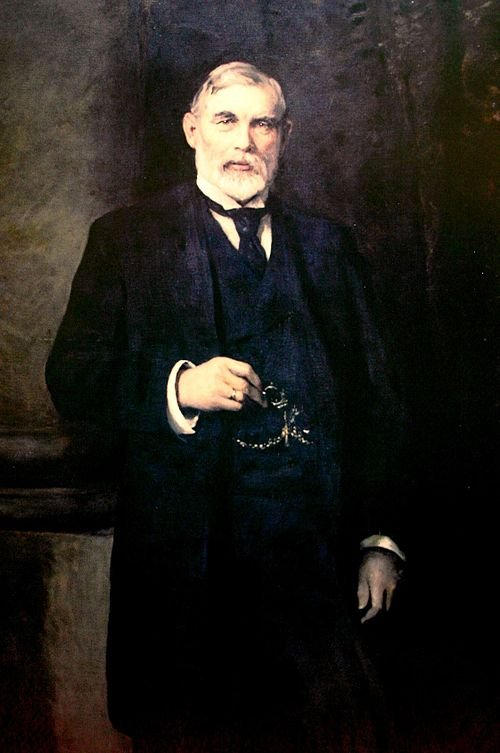
In 1986, English Heritage acquired the house. With no art collection of its own to exhibit, the opportunity to display the world’s greatest private art collection came about in 2002, when the private collection of Sir Julius Wernher found itself with no home, turning to Ranger’s House as a place to exhibit.
The Wernher collection – also on display at the Luton Hoo estate – features over 700 pieces, including items from ancient Greece, mediaeval jewellery, Old Dutch Masters and Renaissance paintings, and more, proudly displayed across ten rooms.
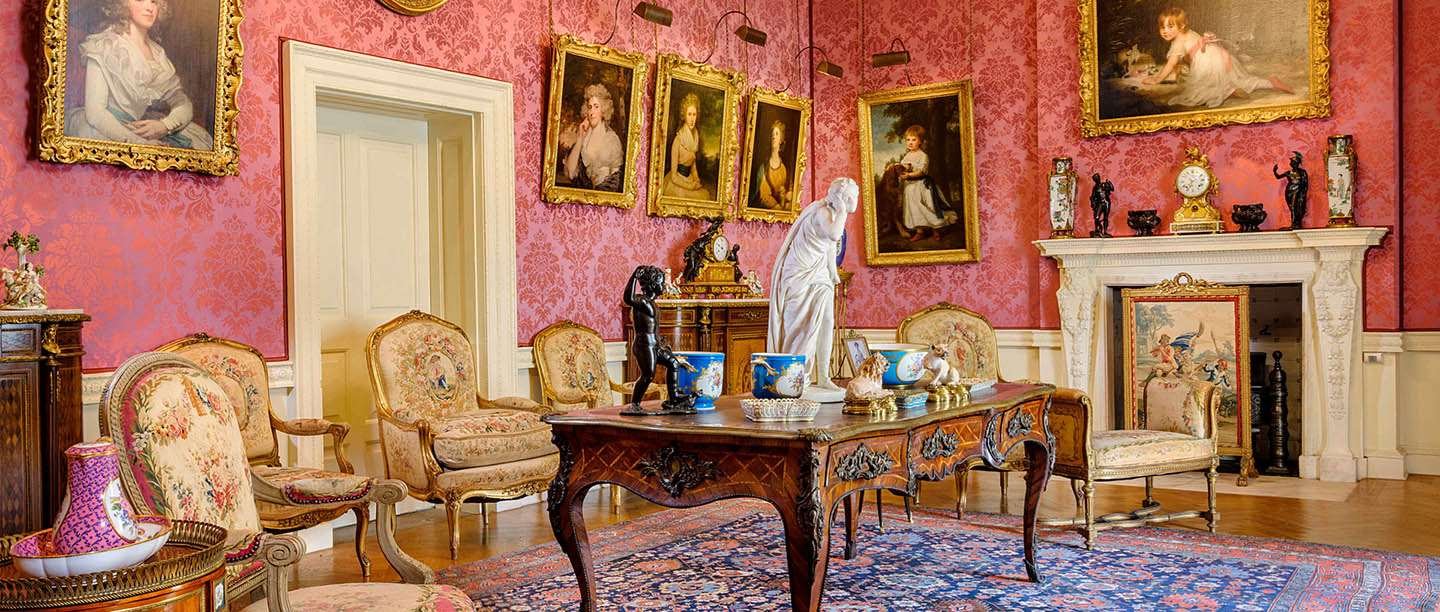
Wernher had a passion for ‘what he called the “splendidly ugly” – tiny, unusual artworks expertly crafted in rich materials’, according to English Heritage.
Ranger’s House in Netflix’s Bridgerton
Ranger’s House can be seen in Netflix’s Bridgerton throughout the show, now onto its fourth series and commissioned for a fifth.
It was chosen due to its size and welcoming quality, the perfect backdrop for an influential family. While Ranger’s House is used for exterior shots, interior filming takes place at Halton House in Buckinghamshire.
Whether visiting to see the home of the fictional Bridgerton family, step foot into its history, or to take in the impressive Wernher collection, Ranger’s House is a must-visit!
Ranger’s House is open July to September, and closed during the winter months. Get tickets here.