
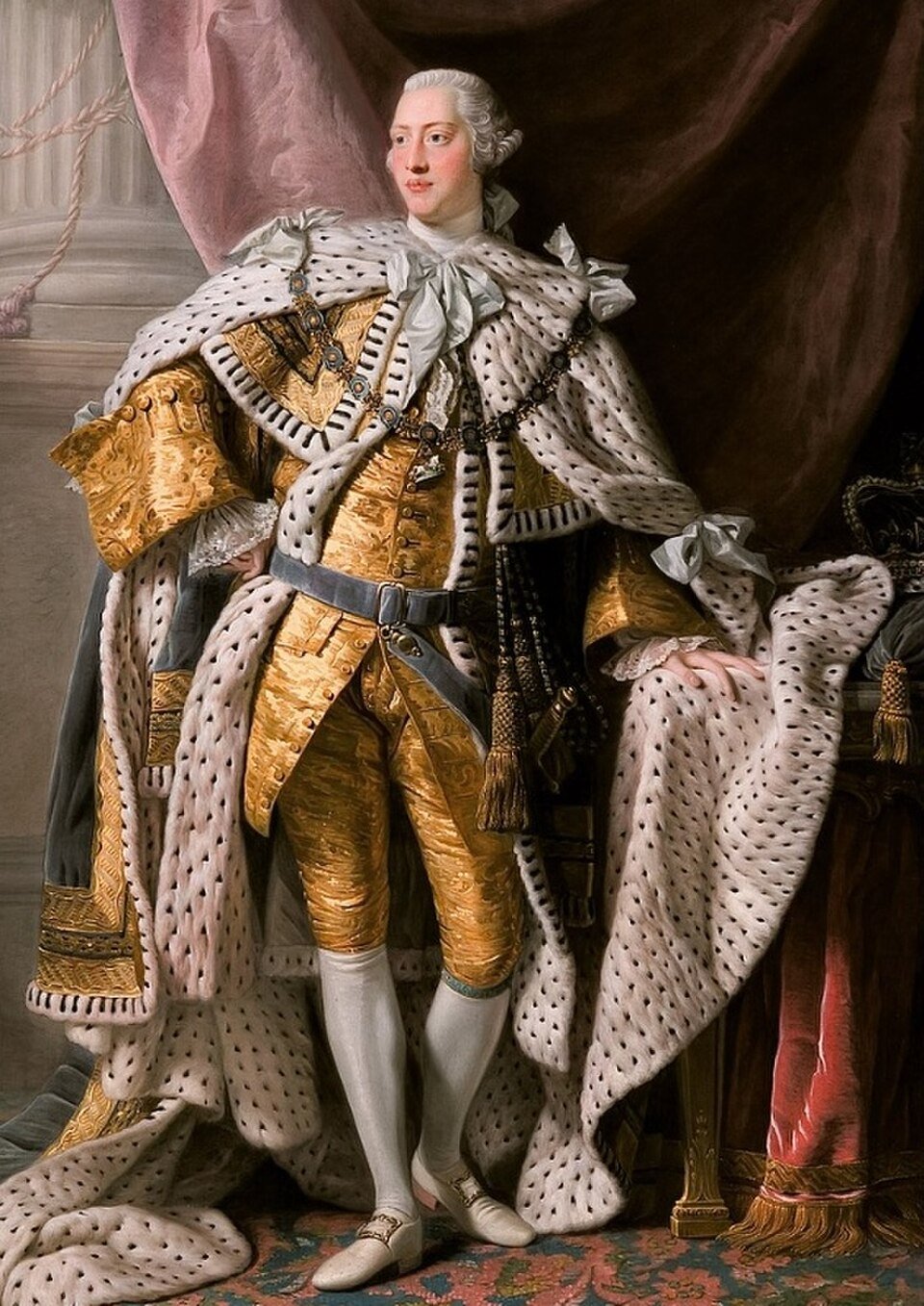
When George III became King in 1760, he was at the helm of a burgeoning empire. With territory forcibly taken in western Africa, and expanding through the Caribbean and into north America by his predecessors, he had every reason to begin his reign optimistically.
But two things have overshadowed his reign and legacy: his periods of poor mental health, and losing the American colonies.
After years of failure to compromise and acts that strained the relationship with colonial settlers in north America, the loss was inevitable for the King…
Early tensions between Britain and America
The Seven Years’ War (1756-1763) left a great financial burden on the nations involved. France had lost all their North American possessions including Quebec (modern day Canada), and all the land they claimed between the Appalachian Mountains and the Mississippi River, adding swathes of land to the British colony.
While Great Britain was triumphant, the nation had doubled its debt to approximately £133 million from high military spending, to continue conflicts taking place across the globe.
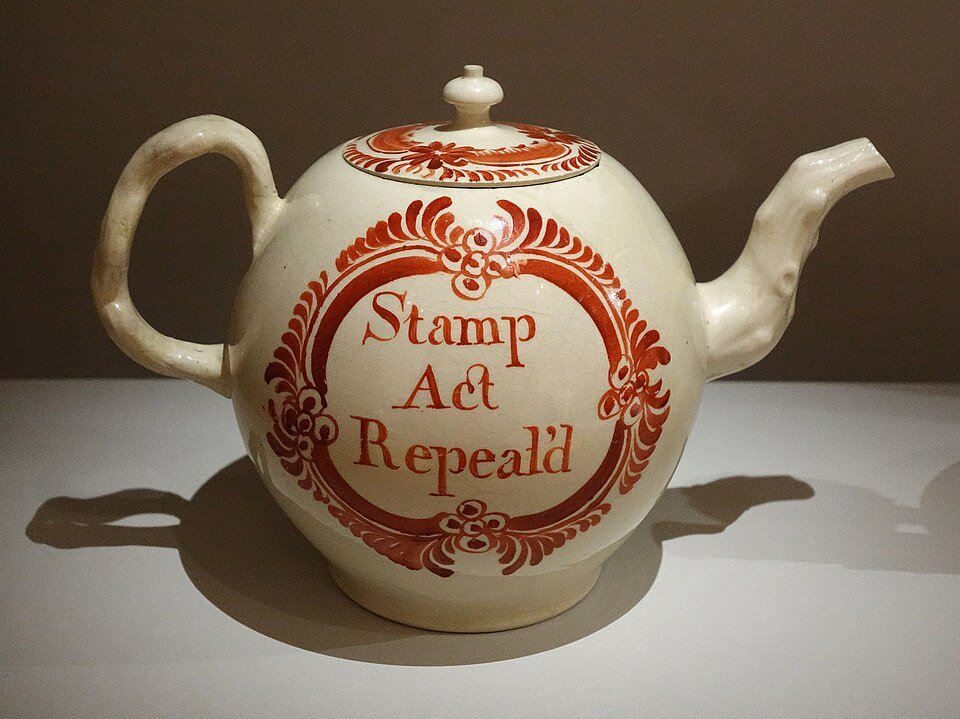
To reduce the debt and fund the British troops stationed in the colonies across the Americas, Caribbean and Africa to protect them, Parliament passed the Stamp Act in 1765. The act required an official stamp on all legal papers and publications circulating throughout the colonies, to indicate duties had been paid. Colonists argued that they should not pay taxes since they had no representation in Parliament to act on their behalf, popularising the phrase ‘No Taxation without Representation’.
The King’s first debilitation of illness – a combination of mania, along with physical symptoms like rashes, fever and swollen limbs – came in 1765, coinciding with these events.
Due to intense protests affecting trade, the Stamp Act was repealed in 1766. The same day, however, Parliament passed the Declaratory Act, which reaffirmed Britain’s control over the colonies and authorised it to enact laws that were legally binding ‘in all cases whatsoever’.
More acts were passed, like the Townshend Acts (named after the Chancellor of the time), which taxed imports, and the Tea Act, which gave the British East India Company – another colonial company focused on Asian expansion – a monopoly over local tea trade.
Despite cheaper tea, it was still taxed under the Townshend Acts. Many colonists saw this as a way for Great Britain to further enforce their authority on the overseas territory. Locals in Philadelphia and New York made the tea ships return to Britain, Bostonians refused to let the ships be unloaded, while south in Charleston, the cargo was left unopened on the docks, to rot.
Angered by this, members of the the political group, the Sons of Liberty, dumped more than 340 chests of tea (worth somewhere in the region of £18,000, or £2.5 million today) into the Boston Harbour in an act of protest, famously referred to as the Boston Tea Party.
Punishment for revolt
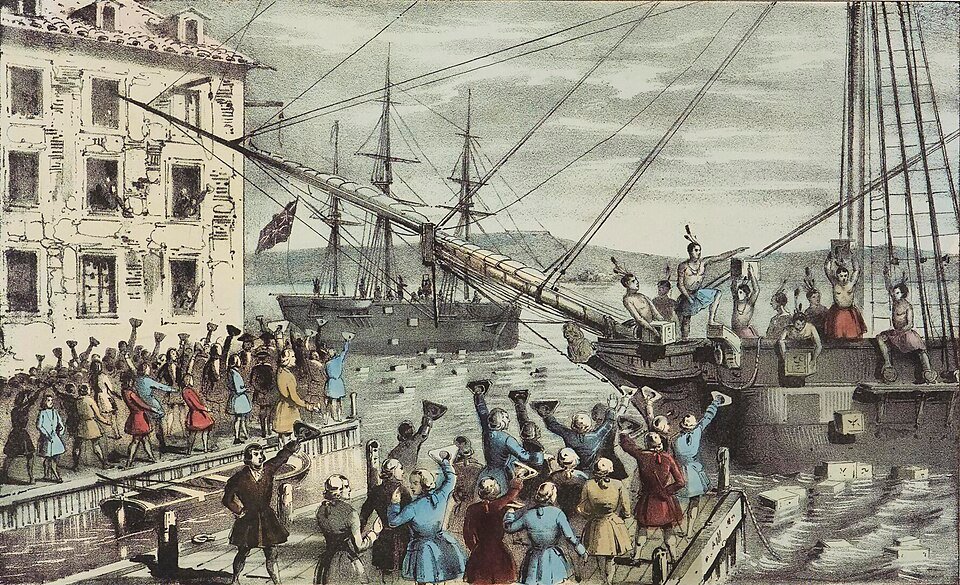
The King saw the protest as an act of disobedience in the colonies. Wanting to restore order in Massachusetts and punish the colonists for their revolt, he approved a series of laws known as the Coercive Acts. The laws made it so that local officials would be replaced by Crown-appointed officials, and royal officials accused of crimes could not be tried in Massachusetts.
Boston Harbour was to be closed until the destroyed tea was paid for, and in an act known as the Quartering Act, British troops were to be housed in unoccupied buildings.
The passing of these acts greatly upset colonial Americans, seeing it as an attack on their freedom.
In response, the First Continental Congress met to form a unified plan against the Coercive Acts. The result was a boycott of British goods and a petition to the King. The Congress also urged Massachusetts to form a military militia.
The King did not respond to the petition, and it was clear that a war was on the horizon…
The American Wars of Independence
Years of growing tension escalated into a full-blown open conflict with the Battle of Lexington and Concord on 19 April 1775. It was a victory for the colonies, as British Troops were unprepared and outnumbered in the battle, forcing them to retreat to Boston.
What followed was an over eight-year battle for American independence that saw thousands injured or killed on both sides, estimated around 68,000 dead in total. The British even employed former and escaped slaves to prop up their military effort, but were hampered by fighting a war across 3,000 miles of ocean. with their senior leadership back at home.
In July 1776, 56 delegates from the Second Continental Congress – patriot representatives of the 13 colonies of America – gathered in Philadelphia, PA, to sign The Declaration of Independence, formally severing ties with the motherland.
The document listed the grievances that the American colonies had against George III, citing wrongful taxation, trade restrictions, legislative abuse, and more, arguing that the colonies had real reasons for seeking independence from the rule of a King.
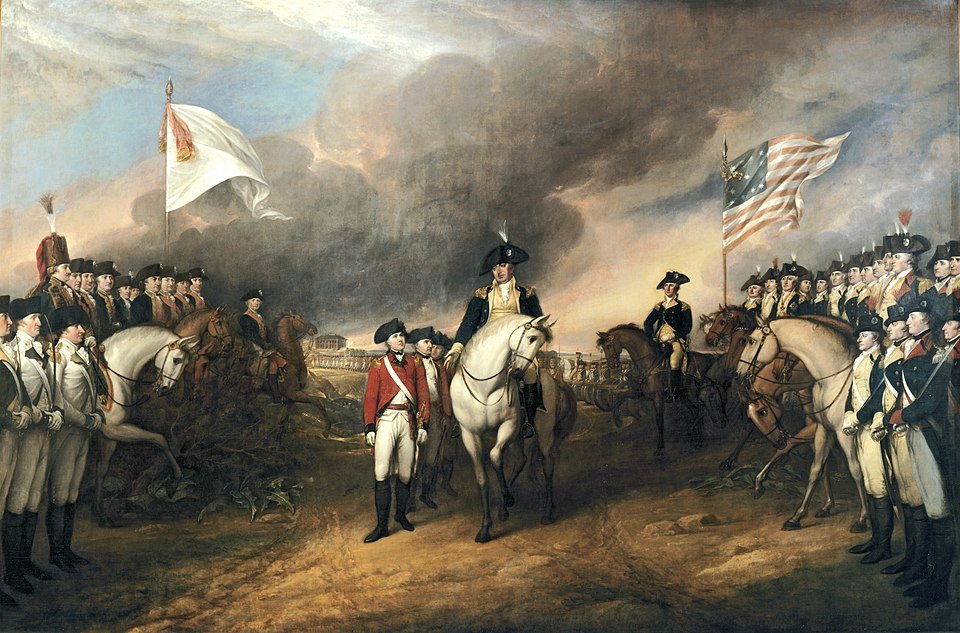
The war ended with the siege of Yorktown in 1781, when combined American and French forces surrounded British General Lord Cornwallis, resulting in his surrender. By this time, the presence of British troops had swelled from some 8,000 to more than 56,000 – around half of the manpower of the entire army.
The last British troops evacuated America in 1783 with the signing of the Treaty of Paris. For the King, this was a major loss, so much so that he drafted an abdication letter in March that year, that reflected his feelings of failure, and shared that he intended exile himself to the family’s native Hanover.
The letter in the Royal Archives shows he had ‘much sorrow’ in wanting to quite his role as King ‘for ever’ [sic], passing the Crown to his son, future George IV, who, he writes, ‘he hopes may prove more successful’ as Monarch.
Despite remaining on the throne until he died in 1820, the loss of the American Colonies greatly overshadowed George III’s reign.