
The King has referred Jamaica’s petition on slavery reparations to the Judicial Committee of the Privy Council for a legal opinion – invoking a little known and rarely-used monarchical power
Jamaica’s Minister of Culture, Olivia Grange, announced the referral to the island’s House of Representatives on the evening of 22nd September, telling MPs it was ‘a really big deal’.
The petition was filed on 7th September and signed by Jamaica’s Attorney General. It asks for consideration of the following questions – but not a specific monetary claim.
- whether the forced transport of Africans to Jamaica and their enslavement there was ever lawful under English law
- whether it breached international law
- and whether the UK is under a legal obligation to provide a remedy to the Jamaican people.
Grange has said it instead seeks an appropriate remedy or remedies ‘for the atrocity of chattel enslavement which our ancestors endured’.
British enslavers forcibly shipped more than three million captive Africans from Africa to the Caribbean and other colonies over 250 years according to the Register of British Slave Traders. The British government also paid more than £20 million in compensation to 40,000 slave owners in recompense for their loss of enslaved people, who were considered property at the time.
These three questions – some of the most charged in the Commonwealth – are being sent to a court that has answered a request of this kind only 13 times since the start of the 20th century.
Grange announced the decision to refer the petition to the island’s House of Representatives on the evening of 22nd September, telling MPs it was ‘a really big deal’.
What is the Judicial Committee?
The Privy Council began as the body of advisers through which the Monarch governed England following the Norman conquest, and was able to resolve legal disputes as they acted on behalf of the Sovereign, or the ‘fountain of justice’.
The Judicial Committee is part of the Privy Council (JCPC) and is the final court of appeal for some Commonwealth Realms, British Overseas Territories, and the three Crown Dependencies (Jersey, Guernsey, and the Isle of Man) and the UK in certain domestic matters.
It is formed of judges, mostly from the Supreme Court (known as Justices), though senior appeal judges from England and Wales, Scotland and Northern Ireland, as well as Privy Counsellors who are or have previously been UK appeal judges can also sit on the committee.
Historically, the JCPC stems from the Monarch being petitioned directly against decisions of local courts as the ‘fountain of justice’, including from overseas subjects. Over the centuries, so many petitions were arriving from the Caribbean as the British Empire began in earnest, that by 1681 a standing committee, known as the Plantation Committee, was appointed to deal with them.
150 years later, the arrangement was put on a professional footing by the Judicial Committee Act 1833, passed in the same year as the Slavery Abolition Act, which ended slavery in most of Britain’s colonies from 1834 (although a system of ‘apprenticeship’ kept most formerly-enslaved people bound to their former owners until 1838, working without pay for years after abolition).
A power ‘as His Majesty shall think fit’
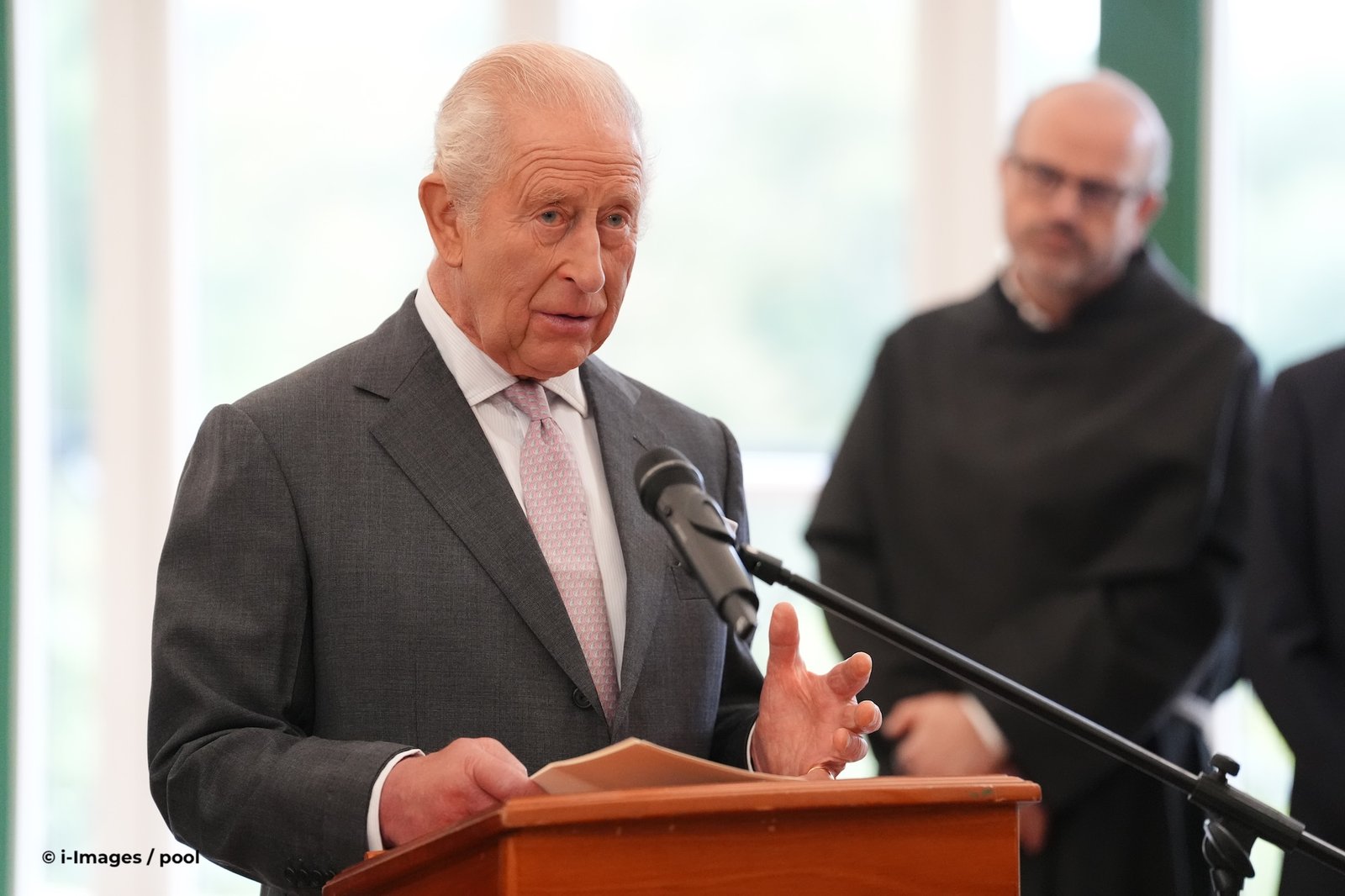
Section 4 of the 1833 Act allows the Monarch to refer to the Committee any matter ‘as His Majesty shall think fit’ for an advisory opinion. By long-standing convention, The King refers a matter only when advised to do so by the relevant ministers, and has no personal discretion of his own.
Since the Crown is now treated as separate in each of the 15 countries where Charles is King, those ministers can include the government of Jamaica, which lodged its petition through the Governor-General, The King’s representative on the island.
In practice, the power has been kept for questions of real constitutional importance that no ordinary court can settle.
Shortly after George V came to the throne in 1910, the Committee was asked whether judges and Privy Counsellors needed to swear their oaths again for a new reign (it was decided they did not), and in the 1920s it ruled on disputes arising from the Anglo-Irish Treaty, including the Irish Boundary Commission in 1924.
Jamaica has argued that its petition has nowhere else to go. The obvious forum would be the International Court of Justice (ICJ), the United Nations’ court for disputes between states, but Grange told MPs that reservations the UK has placed on the court’s jurisdiction ‘prevent the Court from adjudicating on disputes between the United Kingdom and the government of any other country which is or has been a Member of the Commonwealth’.
Where the Crown and the government stand
The referral is a Constitutional Act rather than a personal one, and should not be read as The King taking a side. He has been advised by ministers – as yet unidentified – to refer the petition.
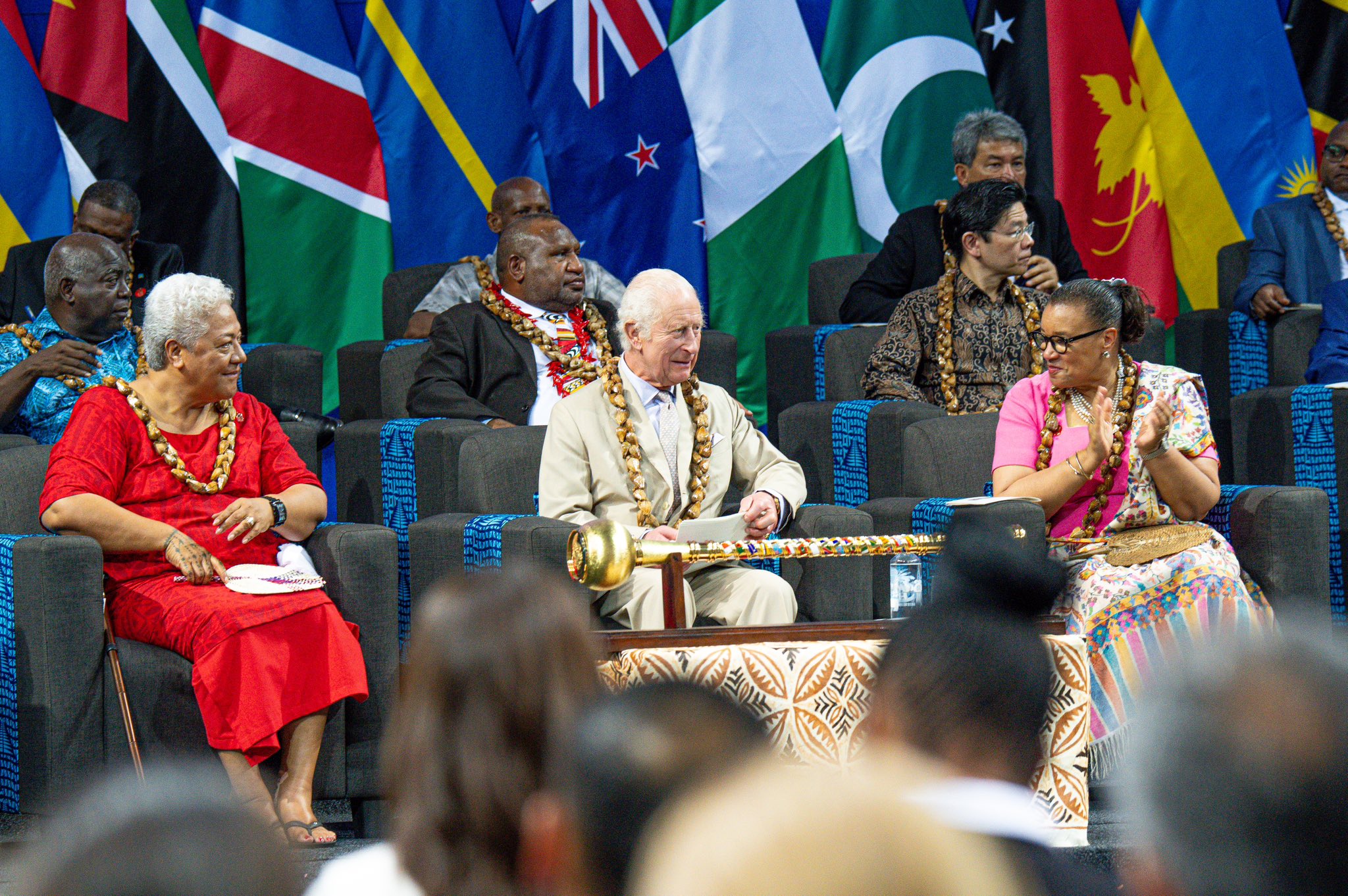
It does, however, arrive against a record Charles has built publicly over several years: in Rwanda in June 2022, at the summit of Commonwealth leaders, he spoke of ‘the depths of my personal sorrow at the suffering of so many’, and in April 2023 Buckingham Palace confirmed that the Royal Household was supporting independent research into the monarchy’s links with the transatlantic slave trade by opening the Royal Collection and the Royal Archives to it.
That research, a PhD project at the University of Manchester co-sponsored by Historic Royal Palaces (HRP), is due to conclude this month, a spokesperson for the organisation – which looks after the Tower of London and Kensington Palace – has confirmed to us.
Candidate Camilla de Koning is ‘working towards publishing a book, which she hopes to publish in 2028,’ they added, noting the standard one-year embargo and time needed to complete the viva in 2027.
The UK government’s position is unchanged. On 8th September, the Prime Minister’s official spokesperson said: ‘The UK does not and will not pay reparations.’
‘The transatlantic slave trade was abhorrent, and of course it’s right that we acknowledge the wrongs of the past. But we continue to face forward and work with other countries on current shared challenges.’
An opinion report from the Committee would be advisory rather than a binding judgment – though in practice, the Monarch is bound by convention to accept this advice by passing an Order in Council (a legal decision made on advice of Ministers) under Section 21 of the Act.
This would not by itself compel any payment, although Jamaican officials believe it could shape future negotiations and set a precedent for other Commonwealth nations.
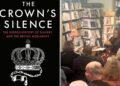
Dr Brooke Newman – author of ‘The Crown’s Silence’ about the British Monarchy’s links to the slave trade and Associate Professor at Virginia Commonwealth University – said of the news: ‘Jamaica’s reparations petition, now referred to the Judicial Committee of the Privy Council, adds further momentum to growing pressure on King Charles and the British government to address Britain’s historic entanglement with slavery.
‘Together with recent research and publicly-accessible databases such as the new Register of British Slave Traders, it strengthens the case for a serious examination of the extensive historical evidence, the legal questions raised, and what obligations may follow from that history.
‘This issue also takes on added significance ahead of the Commonwealth Heads of Government Meeting, which will bring Commonwealth leaders together in Antigua and Barbuda in early November. King Charles will be in attendance, and CARICOM [the Caribbean community] views the meeting as a key forum for advancing its reparations agenda.’
What happens next?
Jamaica is now awaiting directions from the Committee. Under its rules, Jamaica must identify within 21 days anyone affected by the reference, and file an index of documents at least eight weeks before any hearing, after which each side sets out its case in writing.
The Committee can also decide that it is not appropriate to give substantive answers at all, as it made clear in a 2012 case from the Cayman Islands.
Either way, the petition will still be live when Commonwealth leaders meet in St John’s, Antigua and Barbuda, from 1-4 November.