
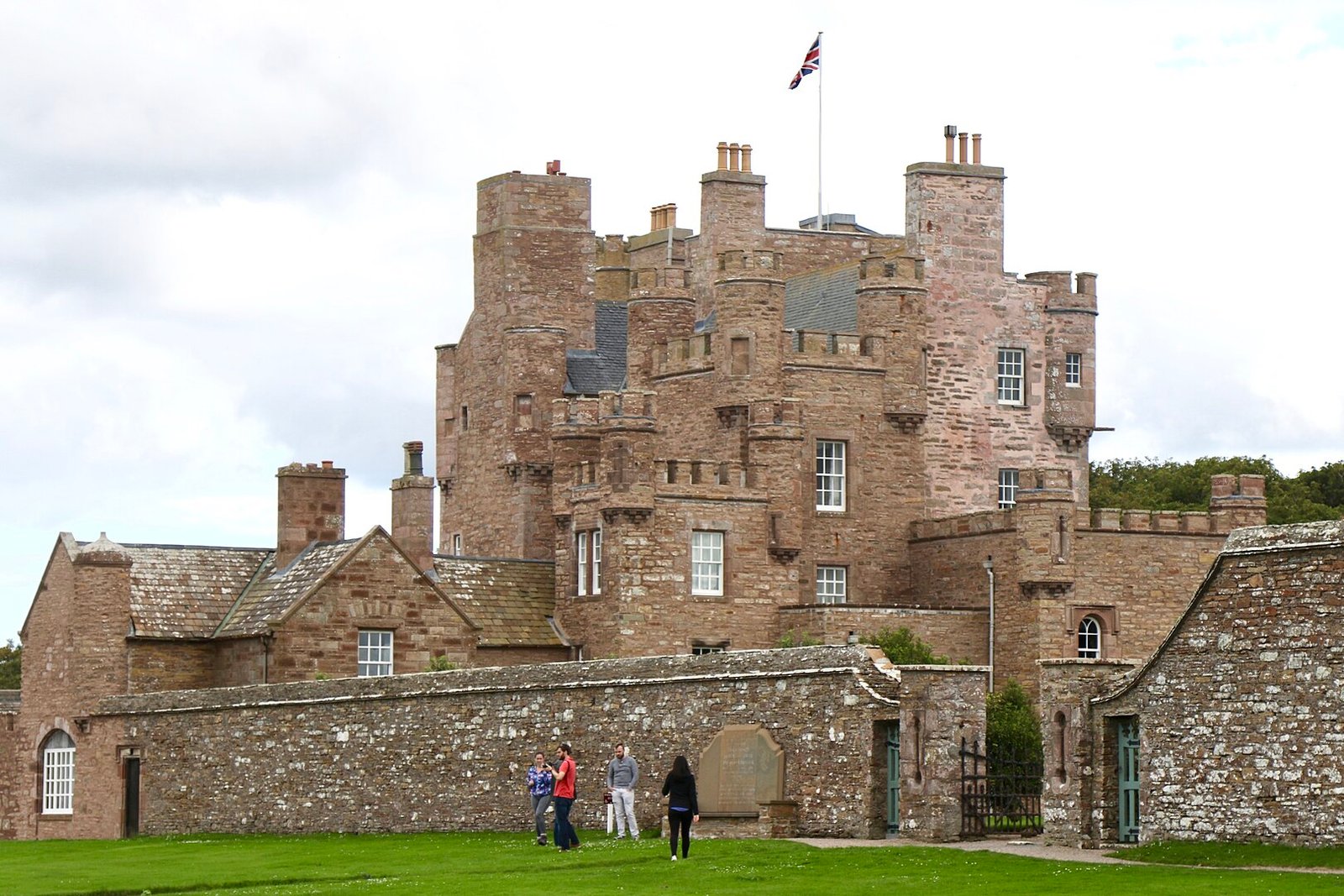
In the early 1950s, the one-time home to the Earls of Caithness, the fate of the isolated, but historic, Castle of Mey hung in the balance. That is, until the Queen Mother purchased the striking 16th-century castle in 1952.
Situated on the north coast of Caithness – the most northerly point of mainland Scotland – Queen Elizabeth purchased the castle as a holiday home, after it captured her heart during a visit to nearby friends, Commander Clare George Vyner and Lady Doris Vyner.
The trip north of the border came just six months after she had been widowed, losing her husband of 29 years, King George VI.
The property, then known as Barrogill Castle, sat on nearly 30 acres of land and was in an uninhabitable state. The castle went through a renovation process under Elizabeth’s ownership, becoming perhaps her favourite home – and the only one she owned personally.
Early history of the Castle of Mey
Barrogill Castle was built by George, 4th Earl of Caithness, between 1566 and 1572 for his son, William Sinclair. William would not get to inhabit the castle for long, as he was murdered by his brother John at Castle Girnigoe due to a family feud…! When John died, the castle passed onto George, the Earl’s third son.
It was under George, Chancellor of Caithness, that the property received the name Barrogill Castle. From George’s inheritance of the title, the castle became the seat for the Earls of Caithness.
Under various successors, the house underwent many changes to its layout and design.
It was in the early 19th century that the 12th Earl of Caithness hired William Burn, the famed Scottish architect, to update the castle, adding a gatehouse and grand dining room, extending the original ‘Z-plan’ tower house.
Later history
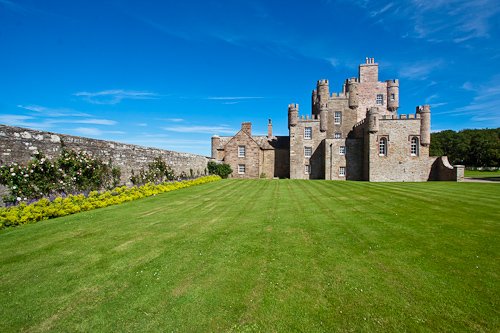
Mey’s time as the family seat ended when the 15th Earl (another George), died suddenly at the age of 30 in 1889, unmarried and without children. He left the castle to his friend, Frederick Granville Heathcote, on the condition that Frederick and his wife change their last name to Sinclair to keep the castle within the family name.
The Castle of Mey was eventually sold by his widow, Agnes, to Captain Frederic Bouhier Imbert-Terry in 1929. Before its sale, Frederic and his wife, Lilian, lived in just one room, such was the disrepair, with only a peat fire for heat…
The Queen Mother buys the castle for £100
The Queen Mother bought the historic property from Imbert-Terry in 1952 for £100, thought to be the price of the lead on the roof, as the repairs needed were enormous. However, it had captured her heart with its isolated location in the country of her birth, access to nature and the outdoors, and the promise of her own space.
One of the first things she did was return to the castle to its original name, the Castle of Mey.
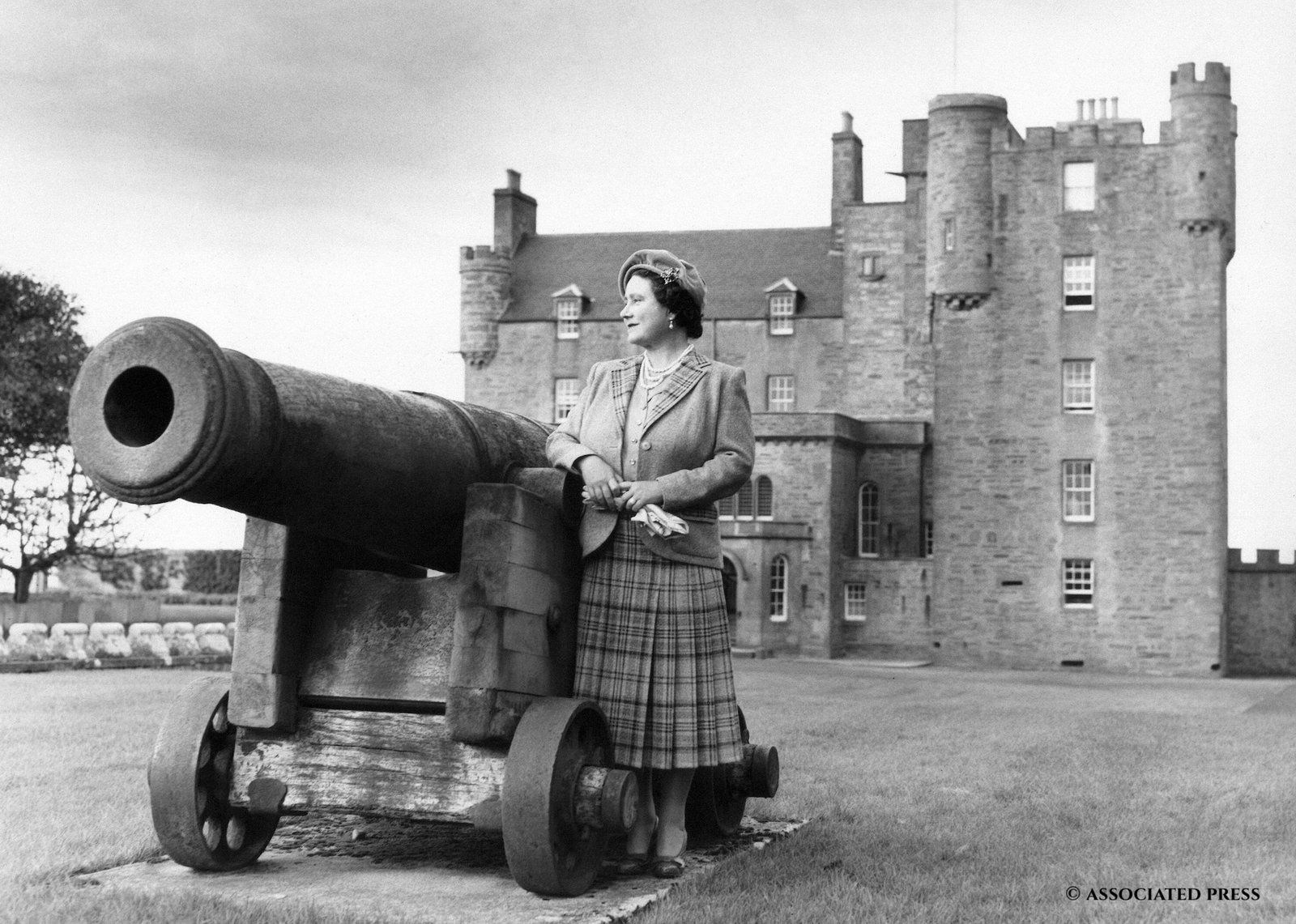
The tower was in fact the only habitable area of the castle, but Elizabeth embraced the renovation, using her own money to fund it.
She sought to update it to be a more comfortable holiday retreat, while still maintaining its charm and centuries of history. For the first time in its long existence, the castle had running water and electricity!
Renovations included painting and plastering the walls, restoring the west wing, and making the castle weathertight, among other works (the building is made of sandstone, which is porous, making the castle damp).
Honouring its legacy, Elizabeth adorned the walls with portraits of the Earls of Caithness, drawing on its heritage.
She added her own personal touches too. With a lifelong passion for gardening, she redeveloped the two-acre walled gardens with scented flowers from her childhood like roses, lilies, and posies. Visitors will notice 15ft stone walls, important for protecting the flowers and vegetables from the harsh coastal winds, of which it was reported that winds so harsh a cabbage was once flung 18 metres! After the restoration was complete, the gardens opened to the public for three days of the year, a tradition that continues still today.
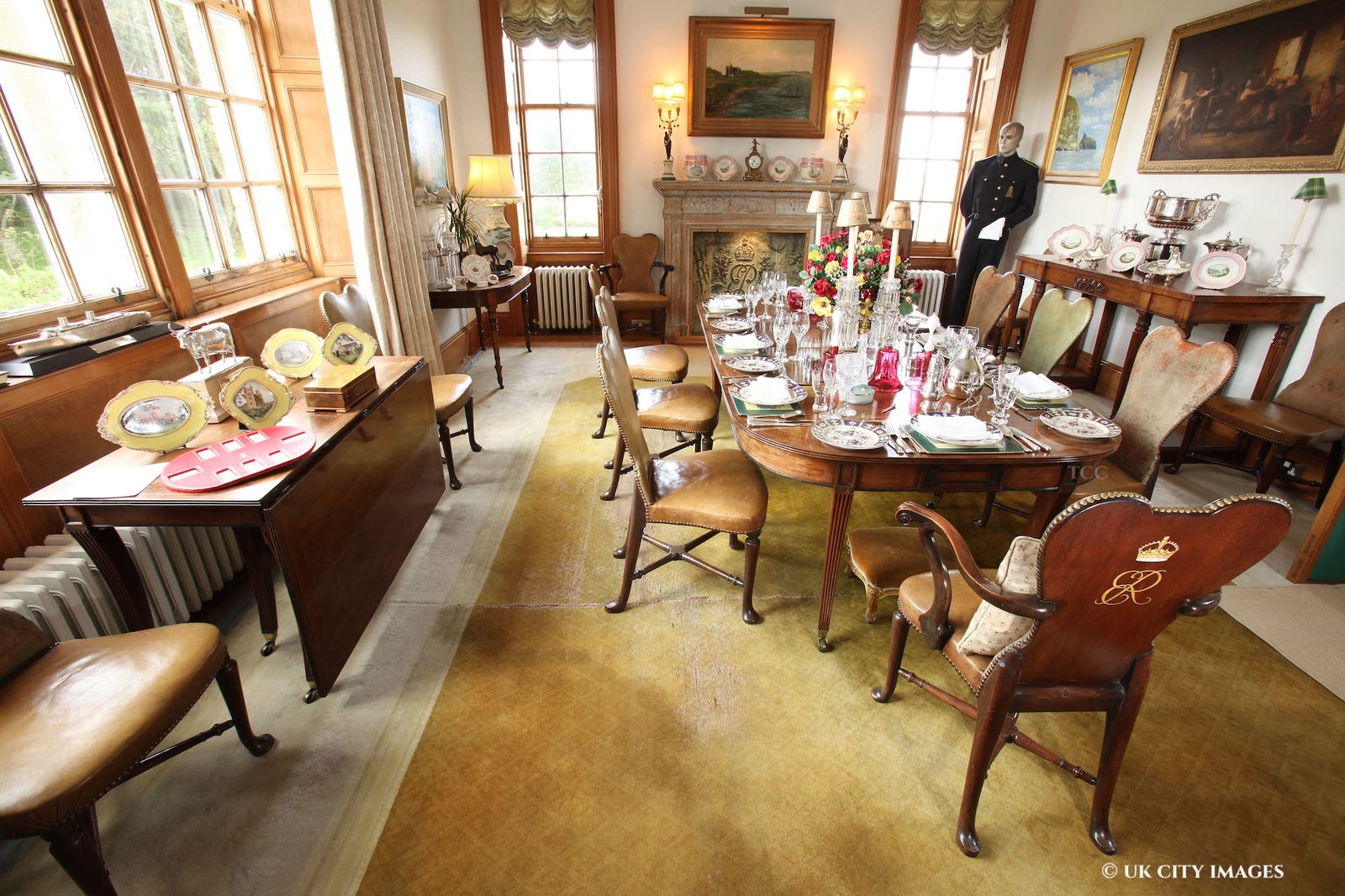
Elizabeth’s impact can be seen across the castle’s interior. The dining room, which today, has been set for a formal dinner, features her cypher on the chairs and fireplace. The Dowager Queen also had her own cypher added to an external lintel, visibly marking her ownership.
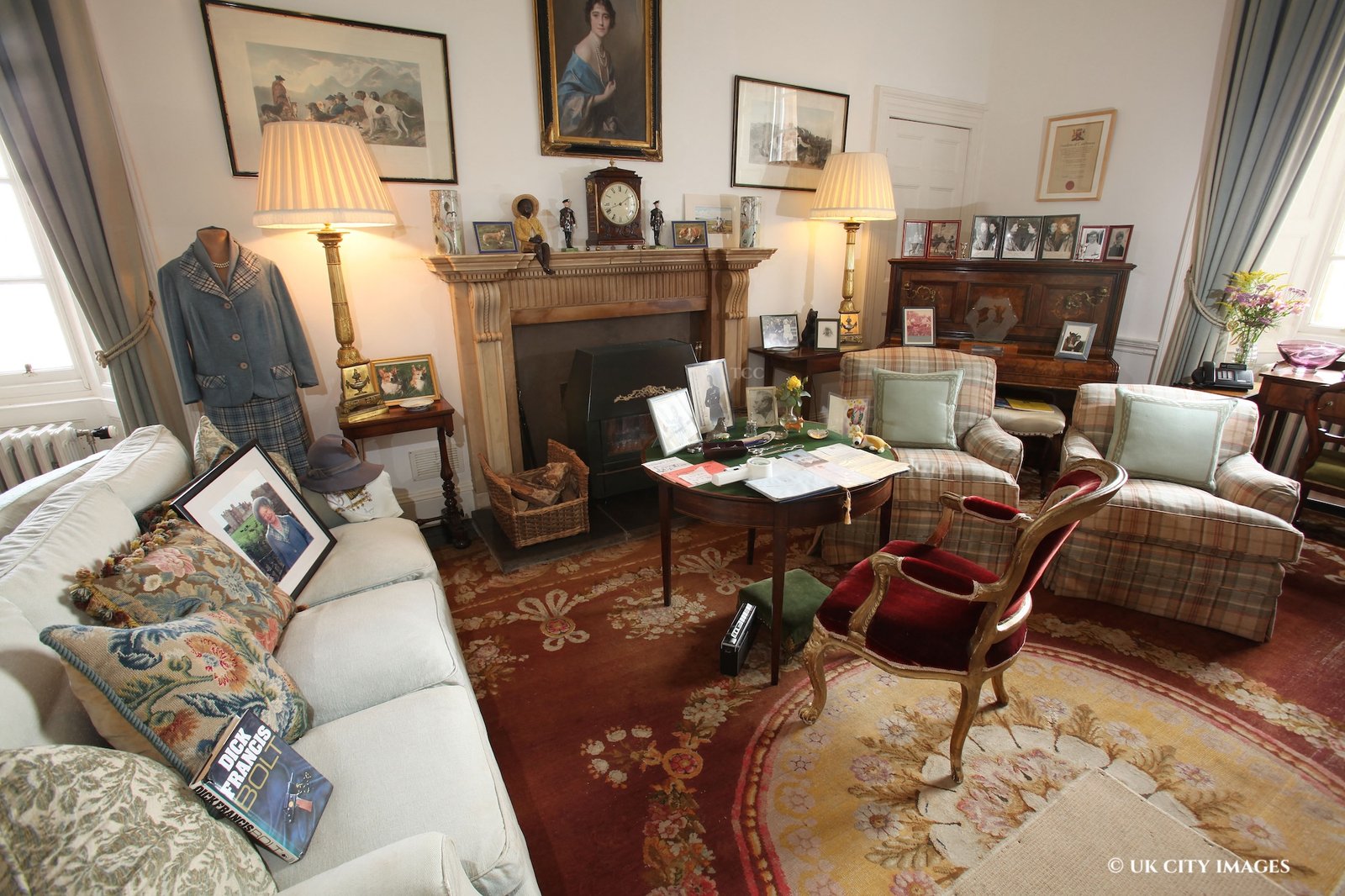
The living room, has a homely and cosy sense to it, with the Queen Mother’s desk on display with her writing and various photos of the family throughout the room. One of her outfits, which she may have worn while exploring the Scottish countryside, is on display as well.
Much of the castle has been left as the Queen Mother kept it, with Wellington boots and anoraks stored in the hallway, as if she were still there.
Members of the royal family have stayed at the Castle of Mey for a period of time before the family gathers at Balmoral Castle for their summer holiday. However, Princess Margaret may not have been such a fan, reportedly referring to the castle as ‘mummy’s draughty castle.’
The Castle of Mey today
In 1996, as she approached her 100th birthday, the Queen Mother turned the castle over to The Castle of Mey Trust, which would preserve the future of the property and advance educational projects surrounding the castle.
It was also a handy loophole relating to inheritance on the property, as it no longer was part of her personal estate and therefore avoided a heavy inheritance tax at the time of her death. The Trust would create opportunities that allow the public to access and enjoy the castle and its grounds, much as Elizabeth did for the 44 years she personally owned it.
The Queen Mother’s last visit to the castle was in 2001, before she died in March the following year. While it was the Queen Mother who saved the historic castle’s fate, it was the castle that actually saved her. What came from retreating to Scotland in mourning sprang forth a new mission, in which she was successful.
Today, the property is under the stewardship of The Prince’s Foundation (King Charles) and welcomes visitors weekly to tour the castle, farm, and walled gardens.