
For the first time, the story of 500 years of British royal jewellery is to be told in a single exhibition, coming in 2027.
Royal Jewellery: From Coronations to Keepsakes opens at The King’s Gallery, Buckingham Palace, in June next year, bringing together more than 300 pieces from the 16th century to the present day – and around two thirds of them have never been on public display before!
Jewels worn by monarchs from Henry VIII and Charles I to Queen Victoria and Queen Elizabeth II will be shown alongside paintings, designs, and documents from the Royal Collection and the Royal Archives.
The Royal Collection is the vast collection of art and objects held in trust by the Monarch for their successors and the nation, while the Royal Archives, kept at Windsor Castle, hold the private papers of the Monarchy.
The exhibition’s co-curators, Caroline de Guitaut and Kathryn Jones, said: ‘This unprecedented exhibition will bring together some of the most important and spectacular royal jewels in British history, many never exhibited publicly before. Each jewel carries with it a human story: of love and loss, power and politics, family and faith.’
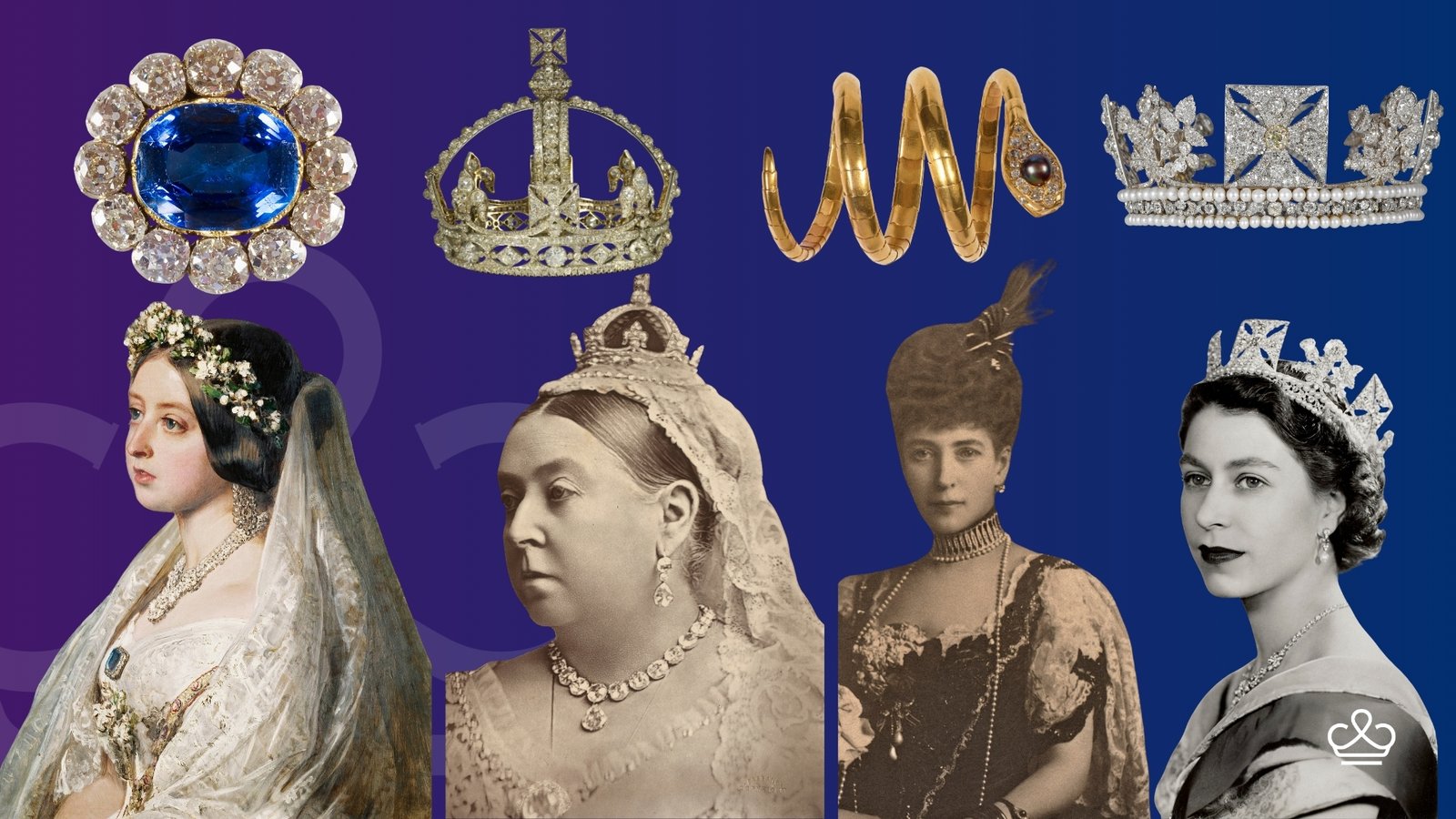
At the heart of the exhibition is a display of jewellery associated with every Queen and Queen Consort, from Queen Charlotte to Elizabeth II.
It traces how royal taste moved from Georgian splendour and Victorian sentimentality to the clean lines of Art Deco and the bold designs of the mid-20th century.
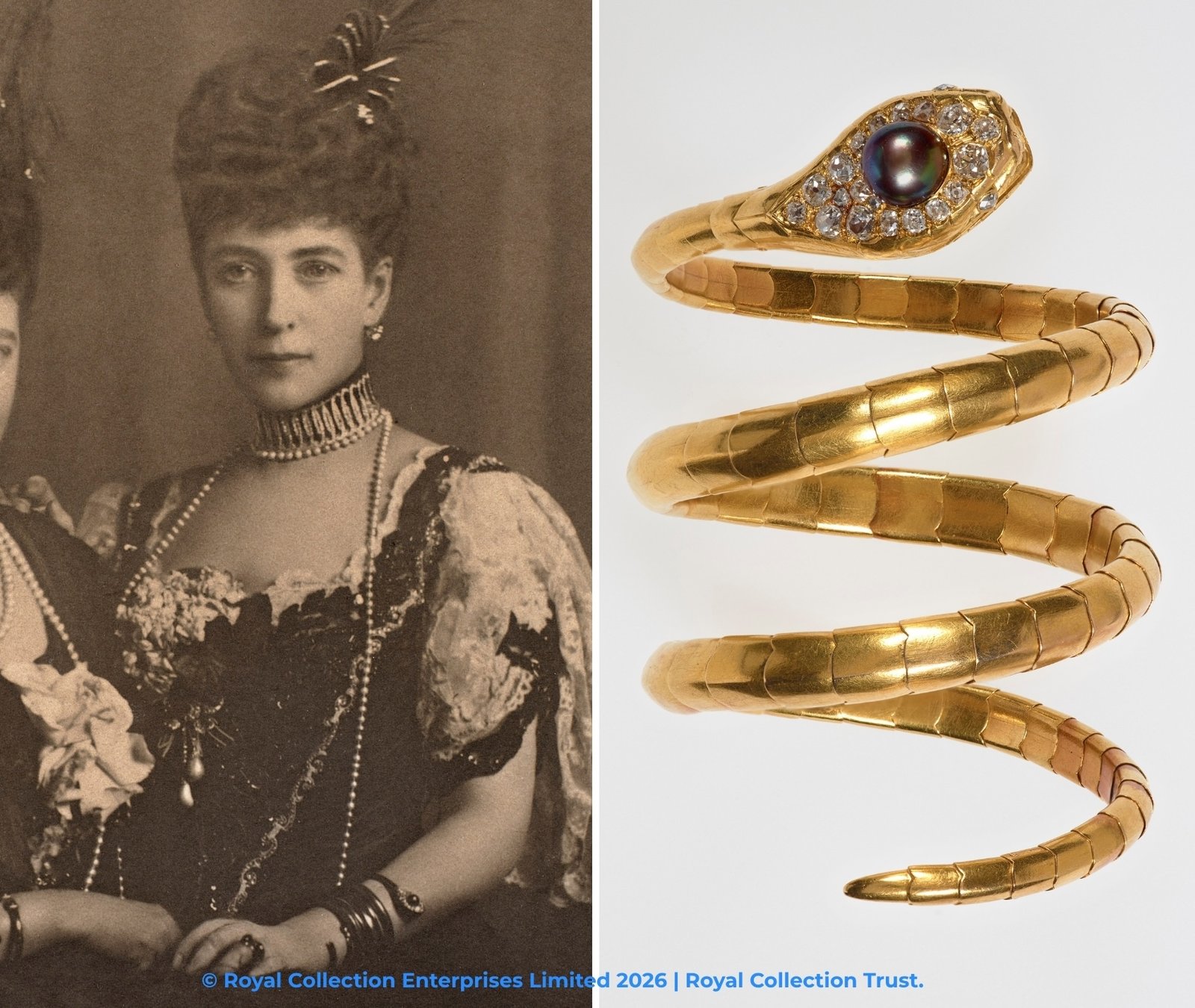
Among the more modern pieces making their public debut are the Fabergé aquamarine and diamond pendant given to the future Elizabeth II by her grandmother, which we saw at CHOGM 2015, along with the Greville emerald necklace, which had been left to Queen Elizabeth, the Queen Mother. Queen Alexandra’s articulated serpent bracelet, made in jointed sections and set with diamonds and a black pearl is accompanied by a photo of her wearing it.
Victoria and Albert’s love story in jewellery
Accompanying Victoria’s first ring as a teenager are many items that tell the story of Queen Victoria and Prince Albert’s relationship.
From a the wedding gift brooch Victoria received from her groom, to the bracelet featuring stones they collected on their first walk after getting married, to a brooch featuring their firstborn’s milk tooth, jewellery was a form of communication for the couple.
Pieces from further back
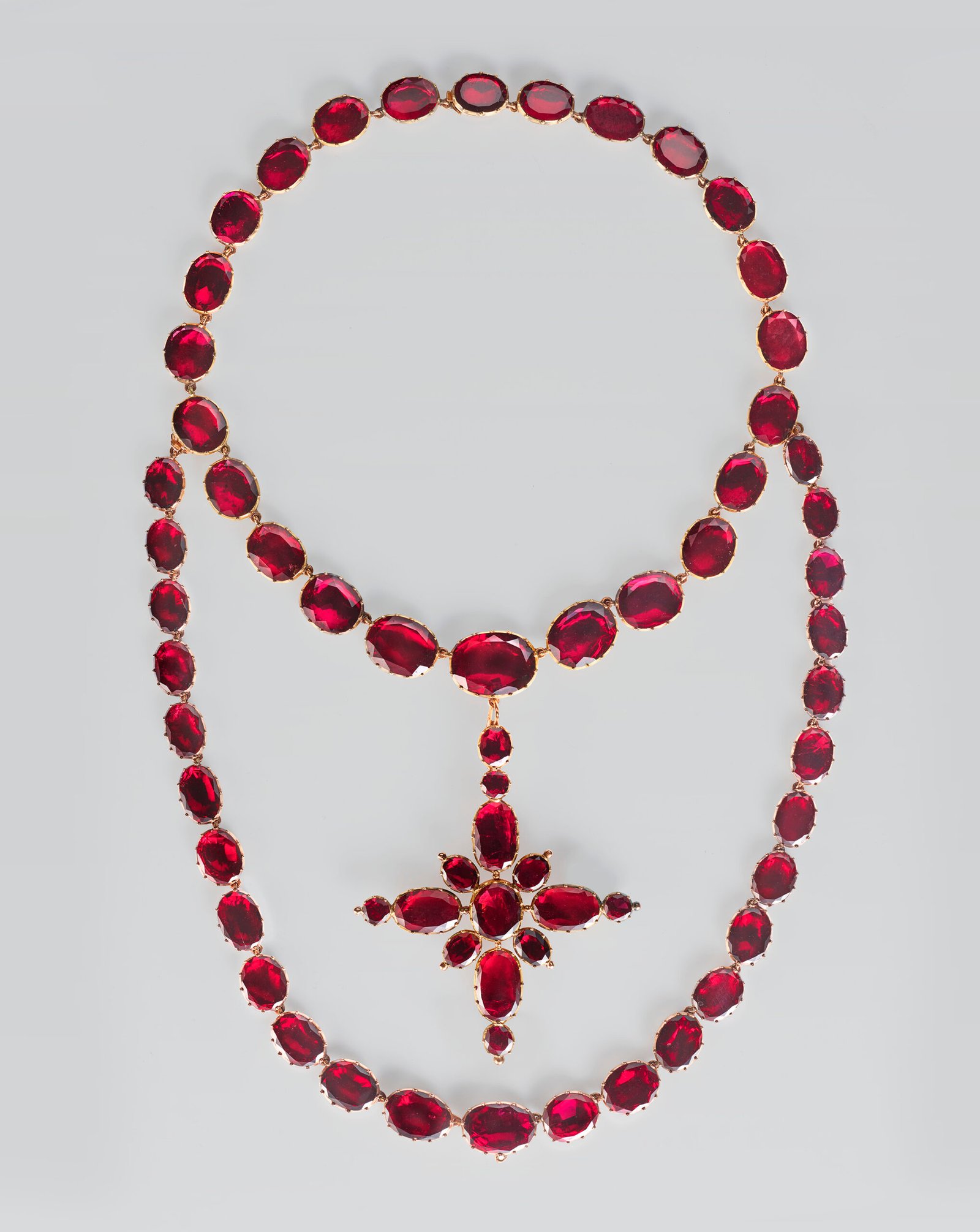
A poignant piece to be shown includes a garnet necklace from Queen Charlotte’s jewellery box. The red stons are made into a small collet-type necklace, with a cross suspended from this, and an additional loop sitting beneath it.
Beyond the personal, the exhibition shows how jewellery became an expression of loyalty, legitimacy, and dynastic ambition during the political upheavals of the 16th and 17th centuries.
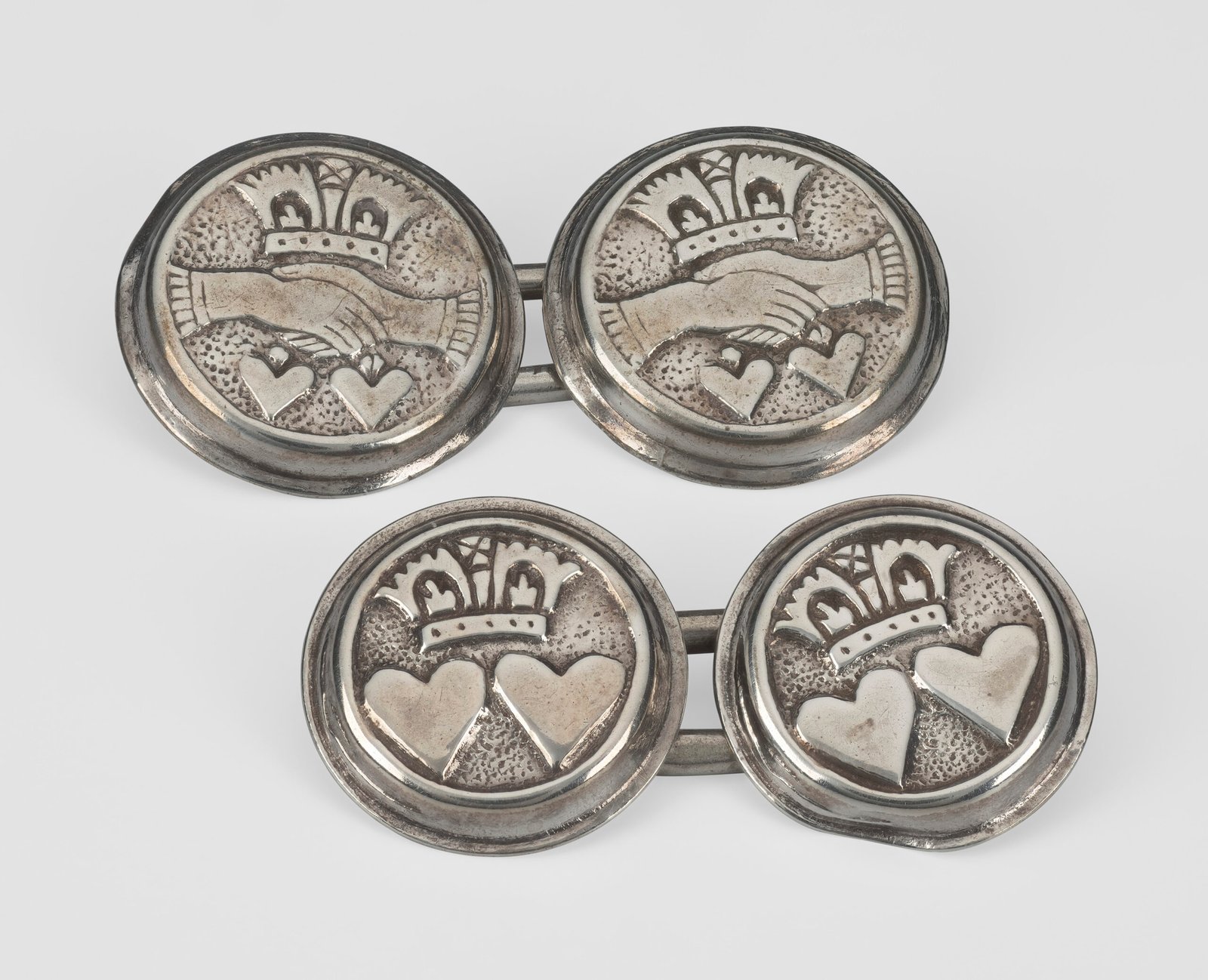
Among the most striking survivals are pieces linked to the cult that grew up around Charles I after his execution in 1649, when royalists came to revere the late King as a martyr. They include the cufflinks he is said to have worn on the scaffold, which were handed to his loyal supporters and will be shown publicly for the first time.
You can read more about this cult, and how his son Charles II used it to his advantage after the Restoration, here.
Coronation jewels, but not the Crown Jewels
The Crown Jewels, the regalia used at coronations such as St Edward’s Crown and the Sovereign’s Orb, will not feature and remain on display at the Tower of London.
Visitors will instead see jewels made for coronations and major royal occasions, among them the George IV Diamond Diadem, created for his extravagant coronation in 1821. It later became one of the most familiar jewels in Britain, worn by Elizabeth II in the image of her that appeared on coins, banknotes, and stamps.
Also on show is Queen Victoria’s Small Diamond Crown, so closely associated with her that it was placed on her coffin as she lay in state, the period before a funeral when the coffin rests so that mourners can pay their respects.
The jewellers behind the jewels
From the work of early royal goldsmiths to designs by some of the world’s best-known jewellery houses, including Garrard & Co, Cartier, Boucheron, and Fabergé, the exhibition also traces how royal jewellery has evolved and the part it continues to play in shaping the image of the Monarchy today.
With around 200 pieces making their public debut, and nine months in which to see them, it is the first chance for anyone who has only known these jewels from portraits and photographs to see many of them up close.
How to get tickets
Tickets will be available to Royal Collection Trust e-newsletter subscribers from next week – 28th October – followed by general public tickets on 3 November.
You can sign up to the newsletter here rct.uk/enewsletter by the end of 27 October to be eligible for this early ticket access.